
Vesi: Building A Capital Strategy for People-Centered Neighborhoods
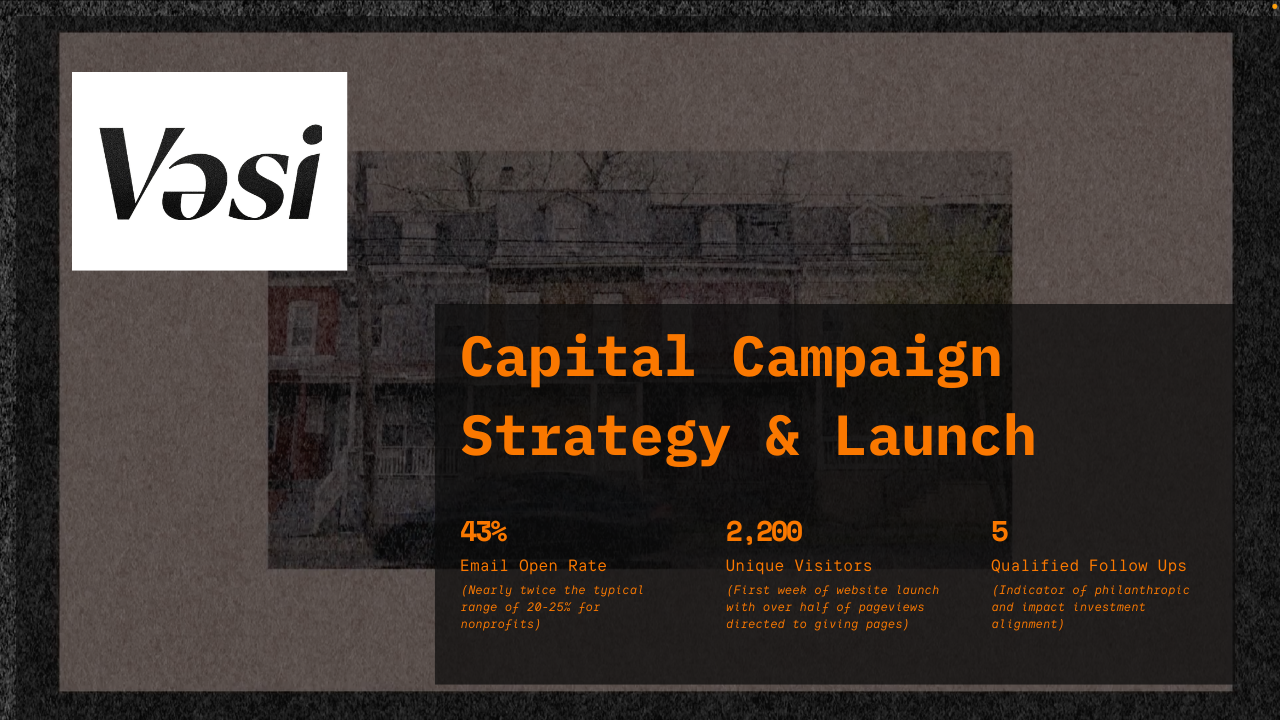
At the core of Vesi founder April De Simone’s work is a simple, human-first insight: thriving neighborhoods are places where people can afford to live, feel connected, and plan for the future.
This isn’t mere platitude; it’s the organizing principle driving Vesi’s purpose-driven development trust, which aligns capital, local assets, and community toward long-term public benefit.
Vesi believes that when land, ownership pathways, and capital are structured around shared value and stewardship, neighborhoods cultivate dignity, opportunity, fairness, and wellbeing for everyone. Its hybrid operating structure is built on more than a century of evidence that when these levers align, whole communities gain stability.
By late 2025, Vesi had already secured a $500,000 planning grant to build the legal and operational framework to support this powerful, evidence-based vision. The hybrid nonprofit/for-benefit/perpetual purpose trust business model was purposefully designed[1].
The structural architecture was in place. But to move from design to momentum, Vesi needed strategic capital framing and execution support. Tiny Little Cosmos joined Vesi’s launch team as a strategic partner tasked with translating Vesi’s mission into narrative clarity, fundraising strategy, and market-ready launch infrastructure.
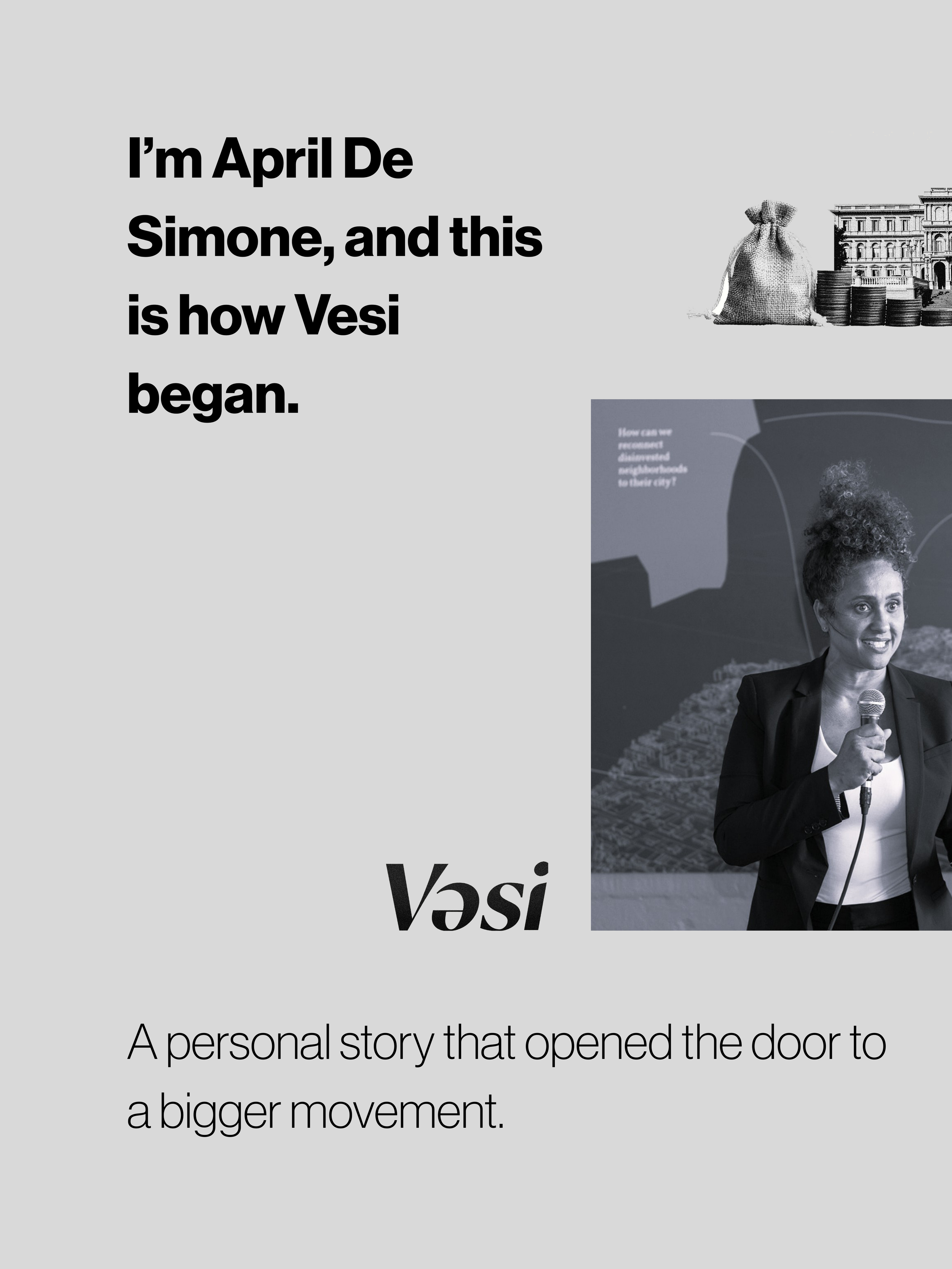
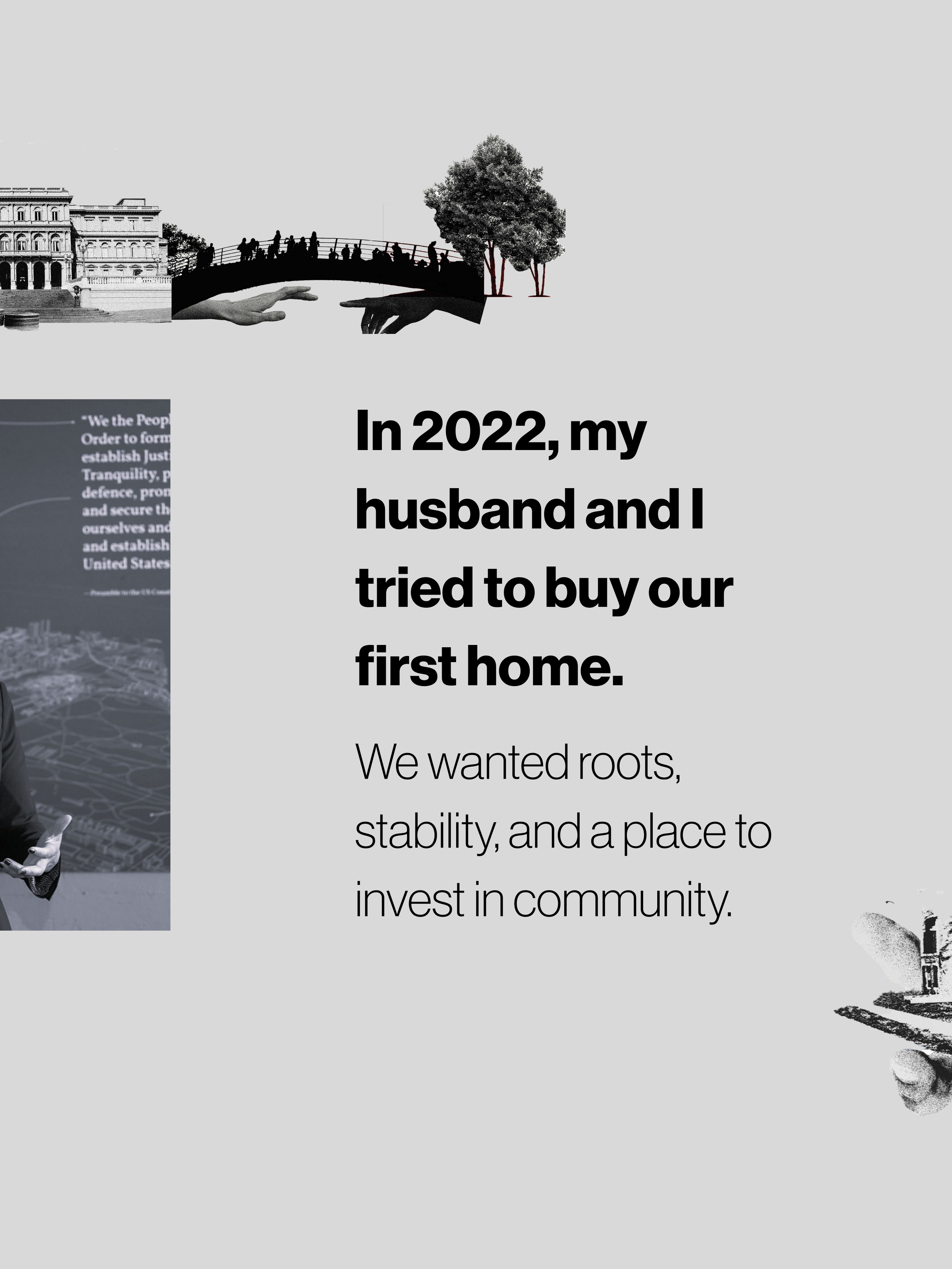
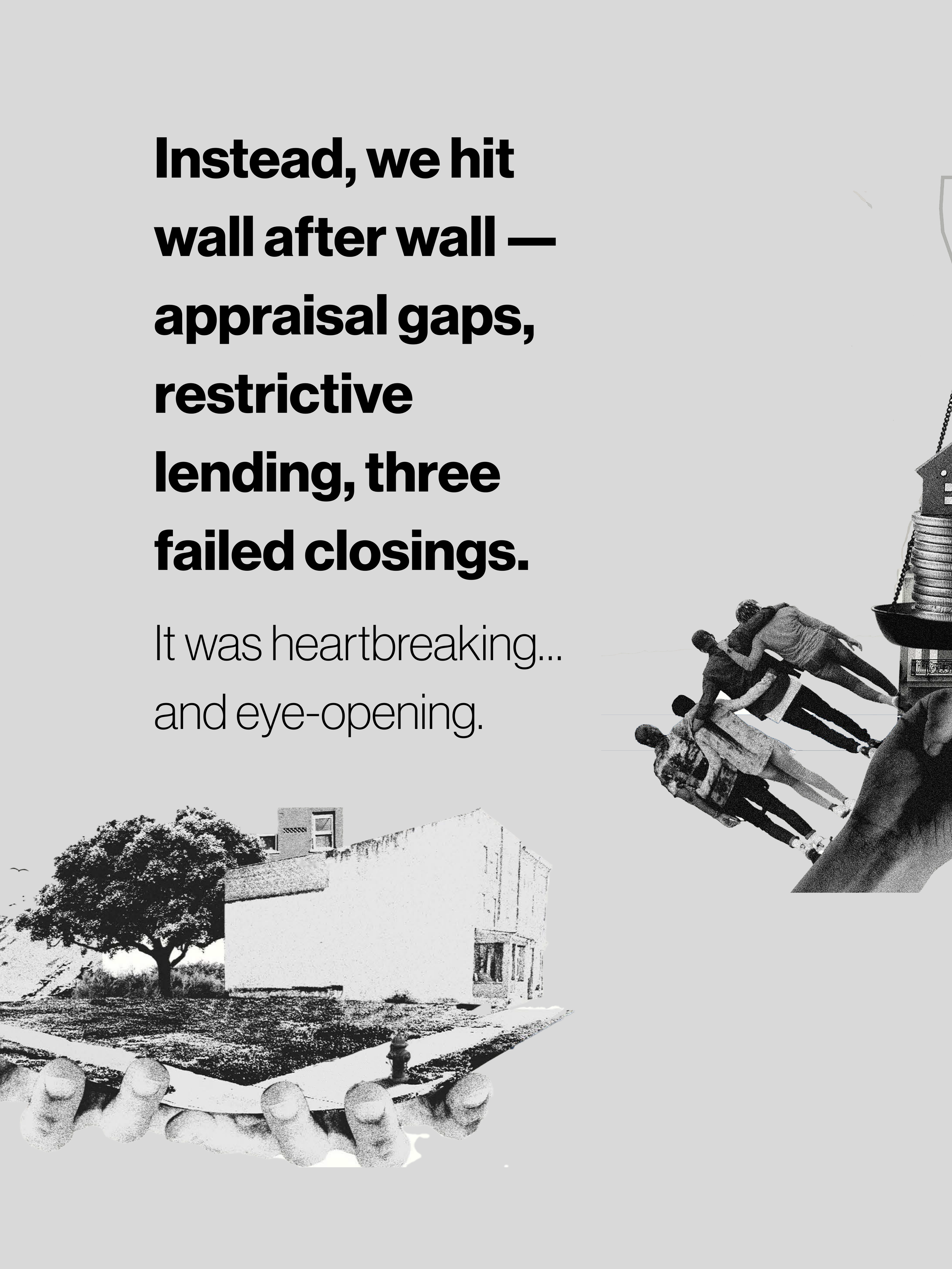
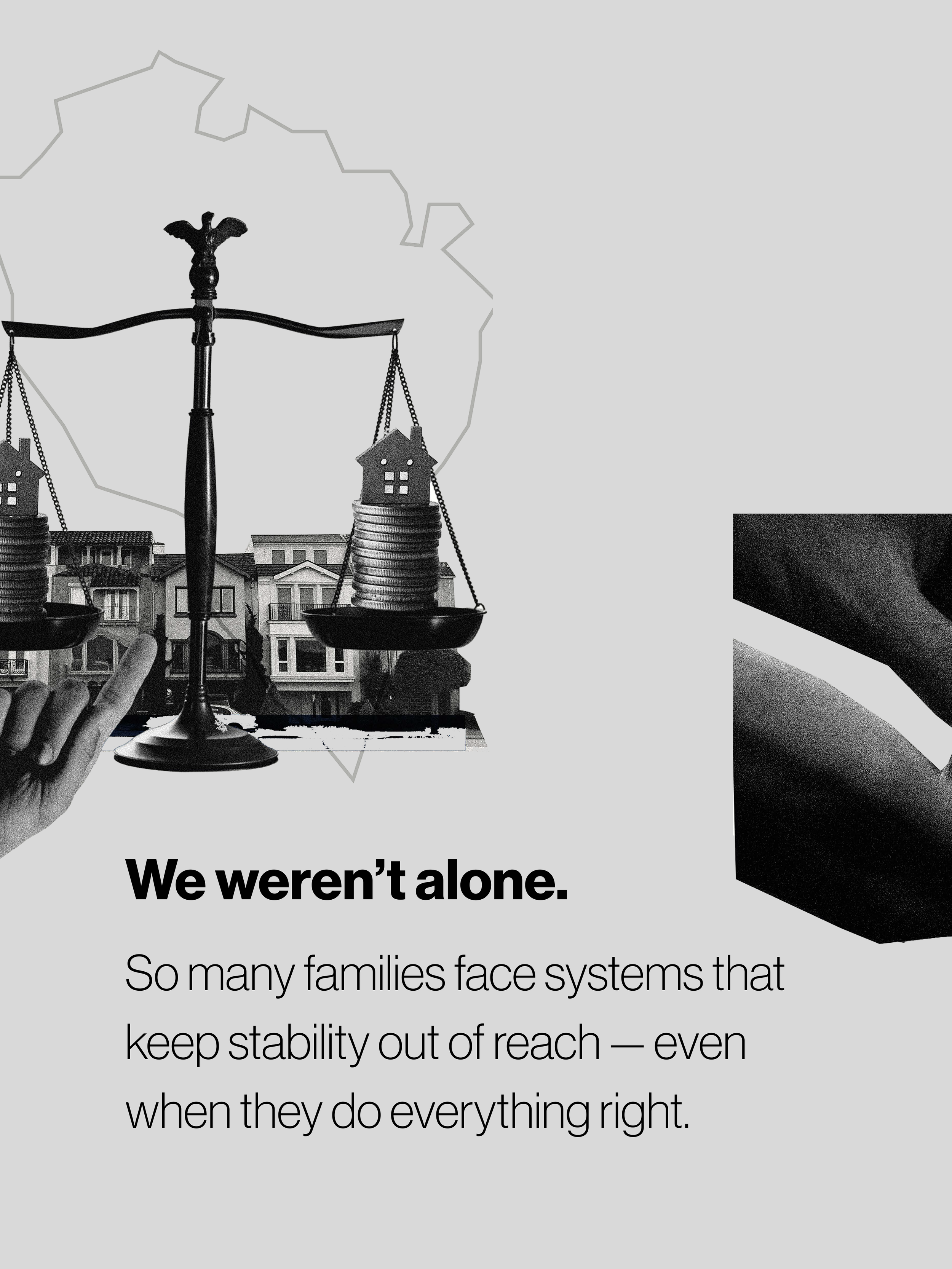
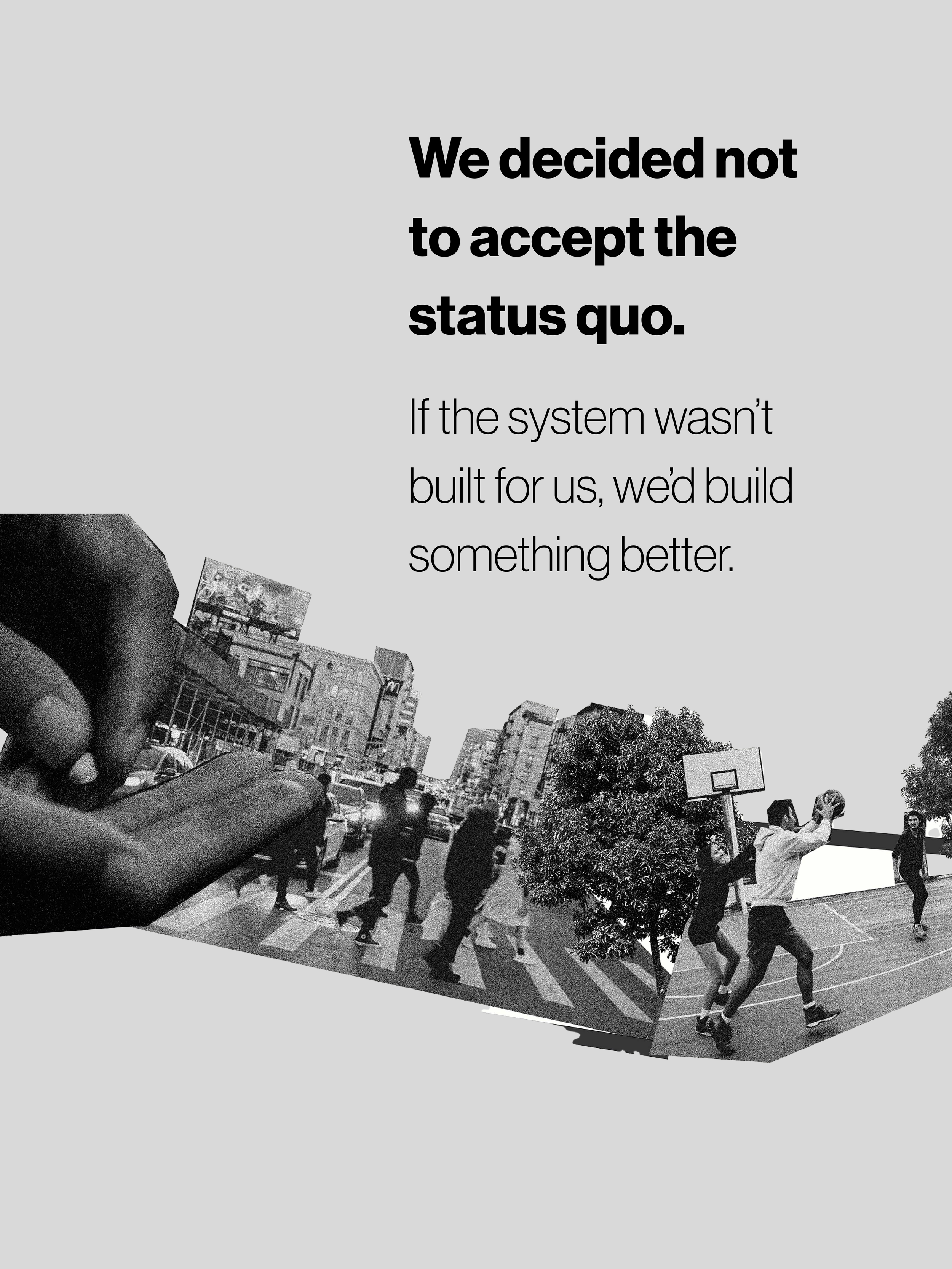
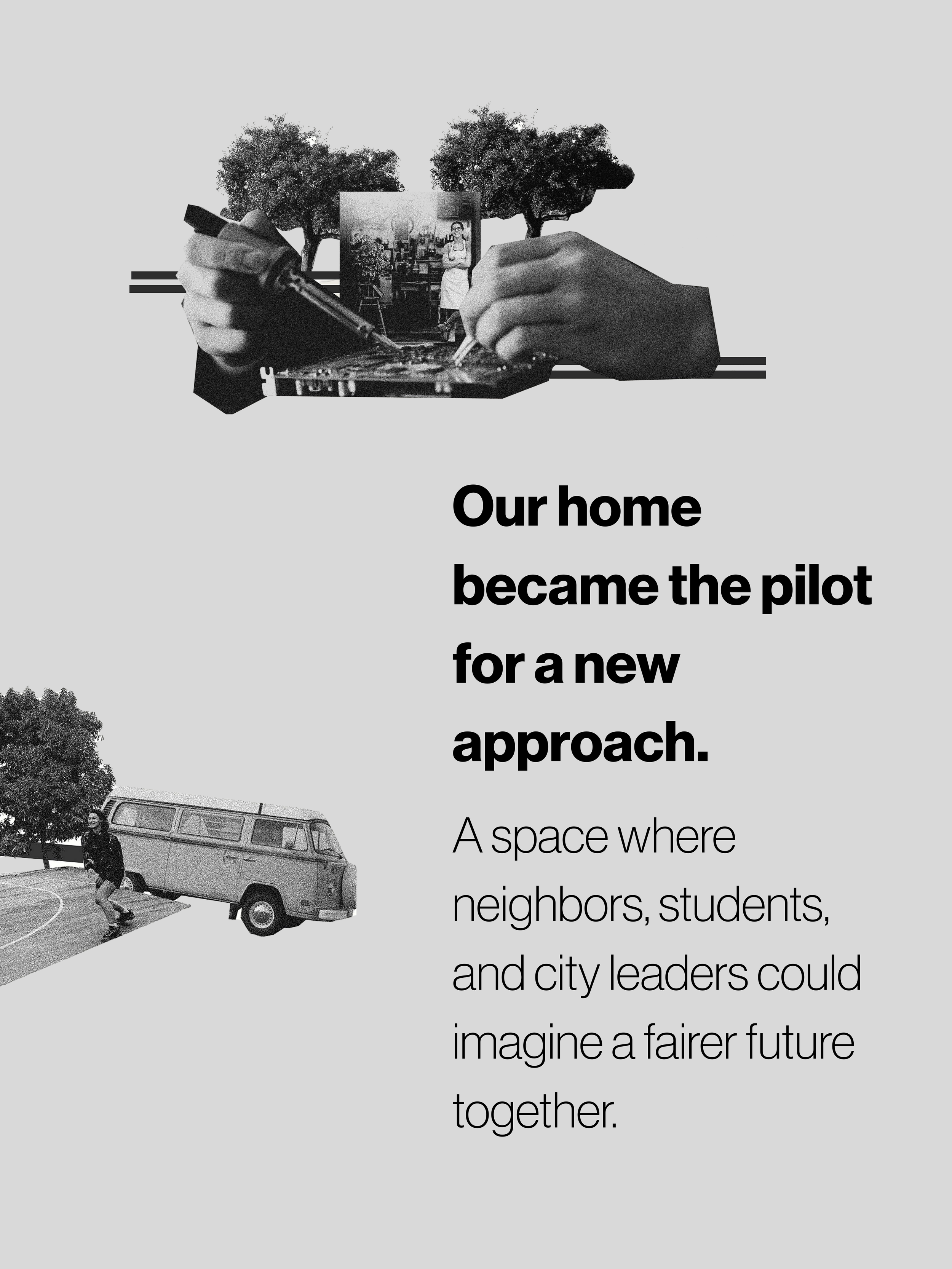
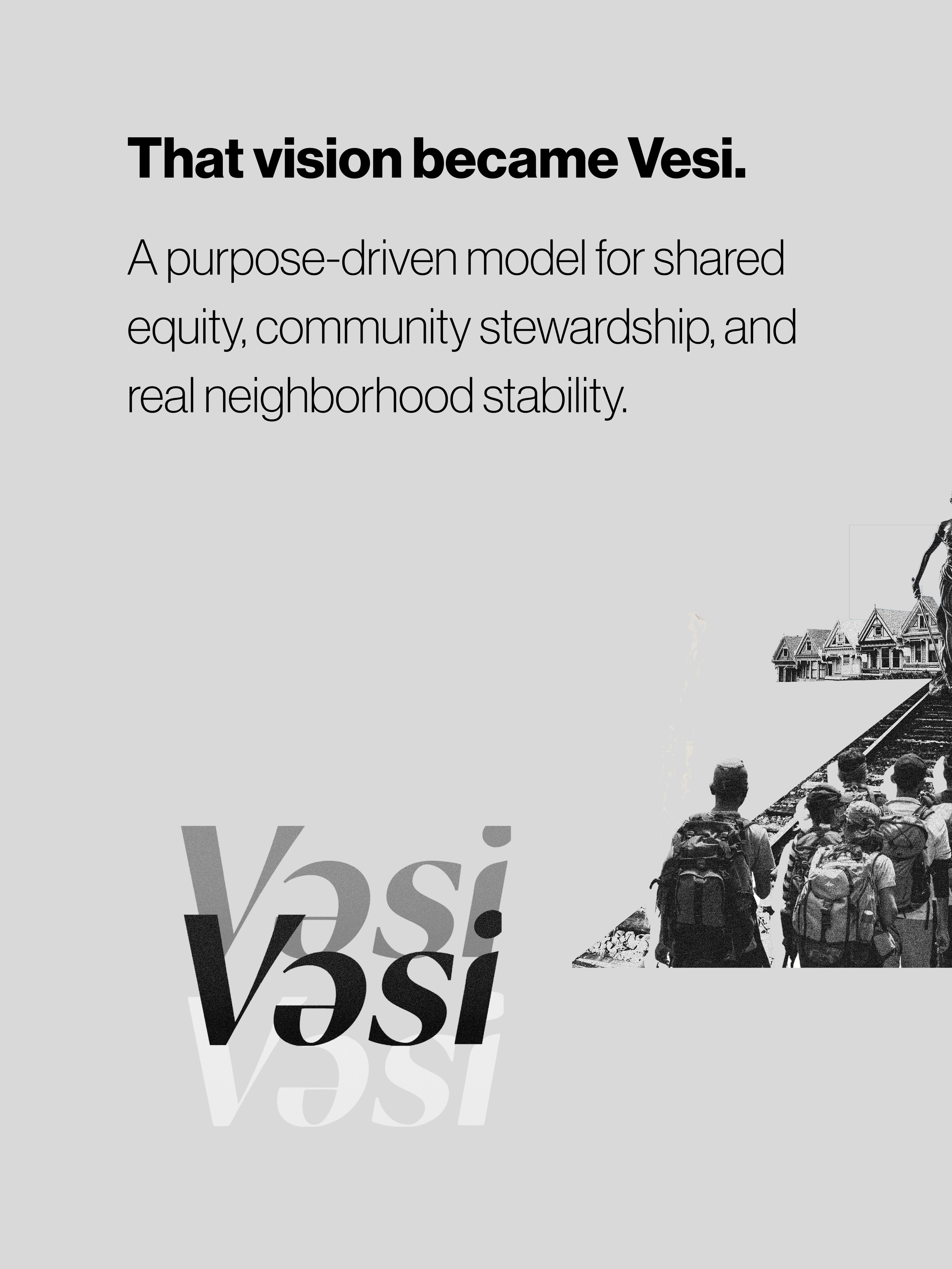
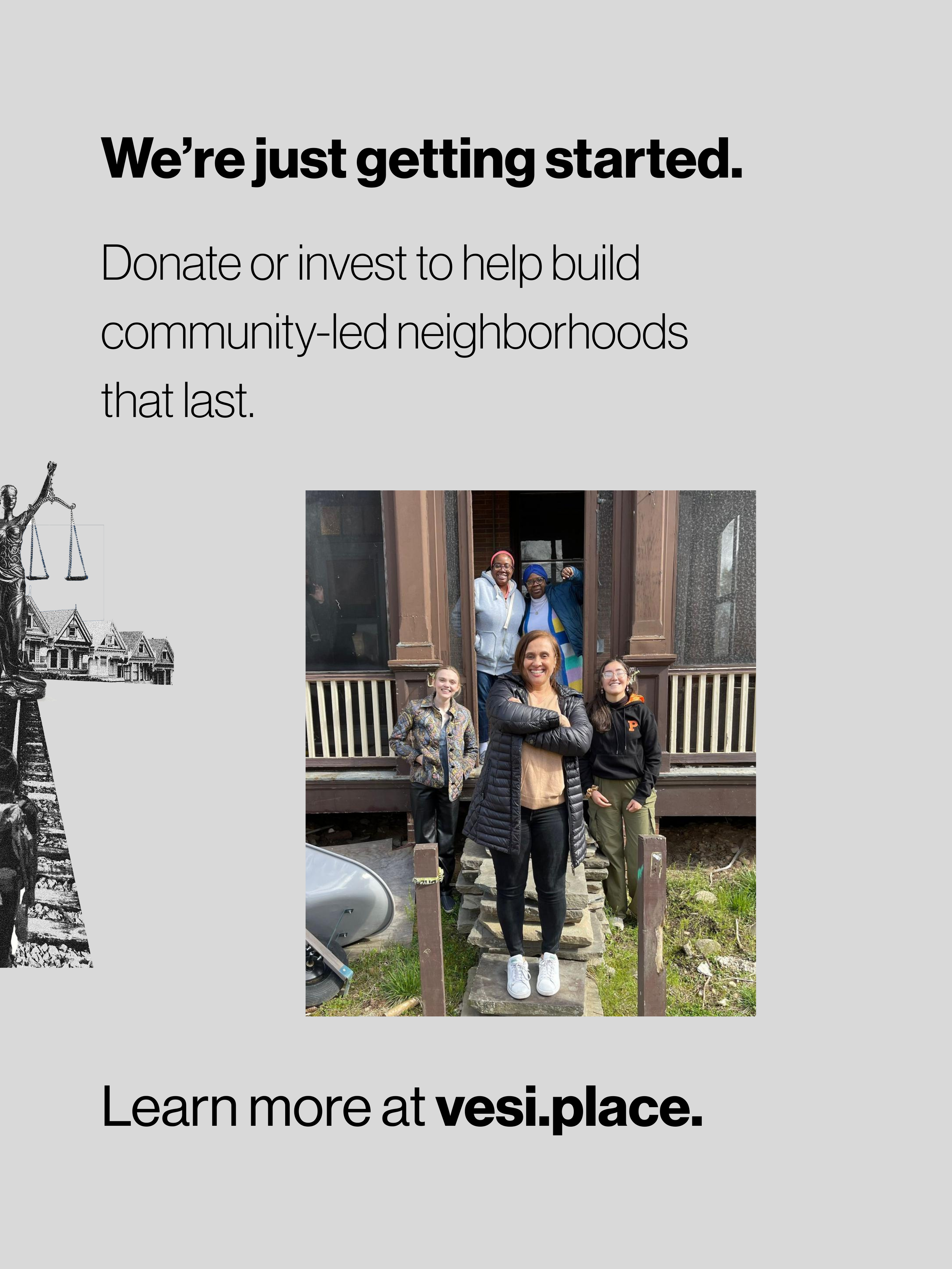
Image: Social media carousel post created to introduce April and tell Vesi’s origin story.
The Objective
Position Vesi to:
Raise $1.7M to operationalize its first pilot neighborhood
Reach $2M by March 31, 2026
Build toward a $6M capital strategy through 2027
This required more than storytelling. It required capital-aligned messaging, fundraising sequencing, and visible traction.
What We Built
1. Capital Narrative Architecture
A Core Fundraising Narrative that clarified:
The systemic housing problem
Why philanthropic capital must intervene differently
How Vesi’s structure delivers transparency, stability, and long-term community benefit
2. Audience & Messaging Framework
Defined positioning for:
Institutional funders
Foundations
Impact investors
Individual donors
Media
3. Institutional Funder Strategy (2025–2027)
A roadmap aligning fundraising milestones with operational growth.
4. Launch Infrastructure
Website build (Squarespace)
Analytics integration
Three-part email campaign
Instagram and LinkedIn rollout
Investor deck distribution strategy
Investor handoff templates
Everything was designed to generate capital movement while establishing a firm foundation of authenticity and trust.
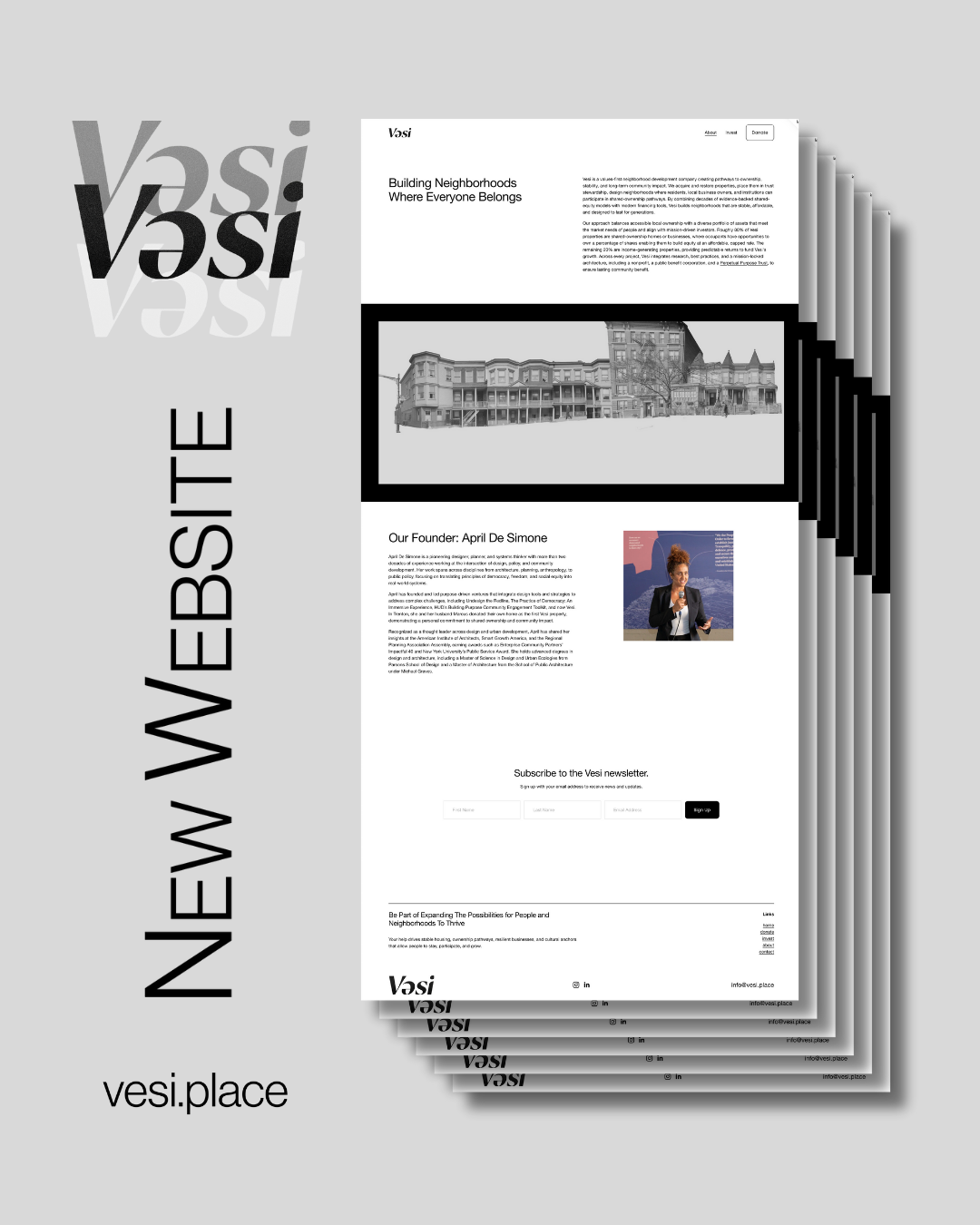
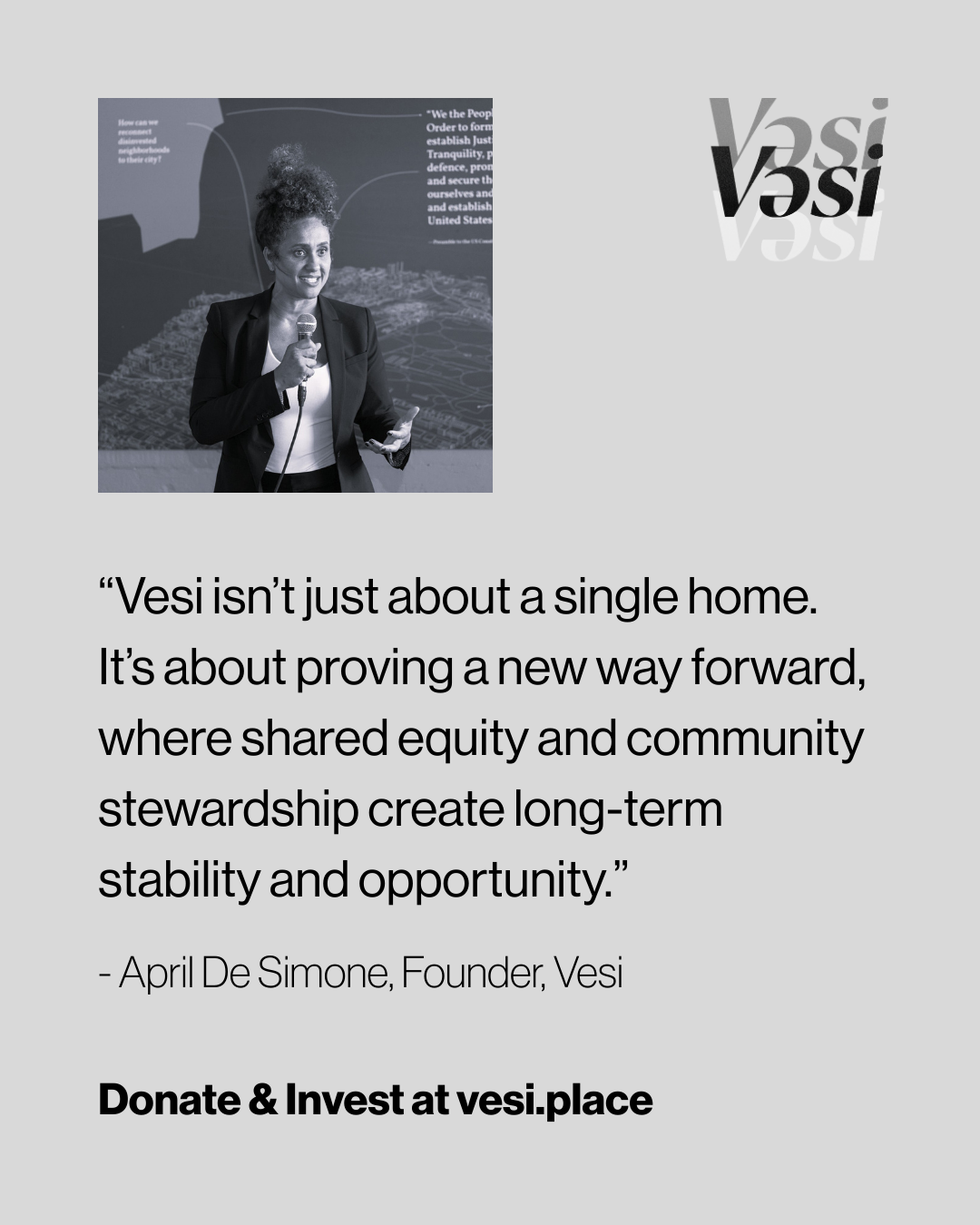
Images: Individual social media posts launched in the first 48 hours of the campaign
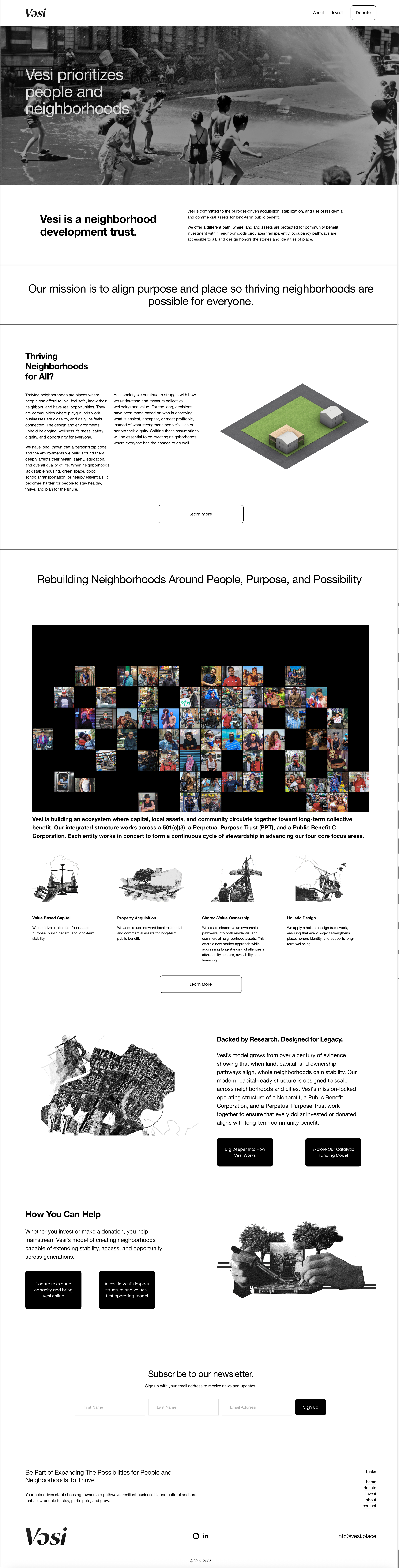
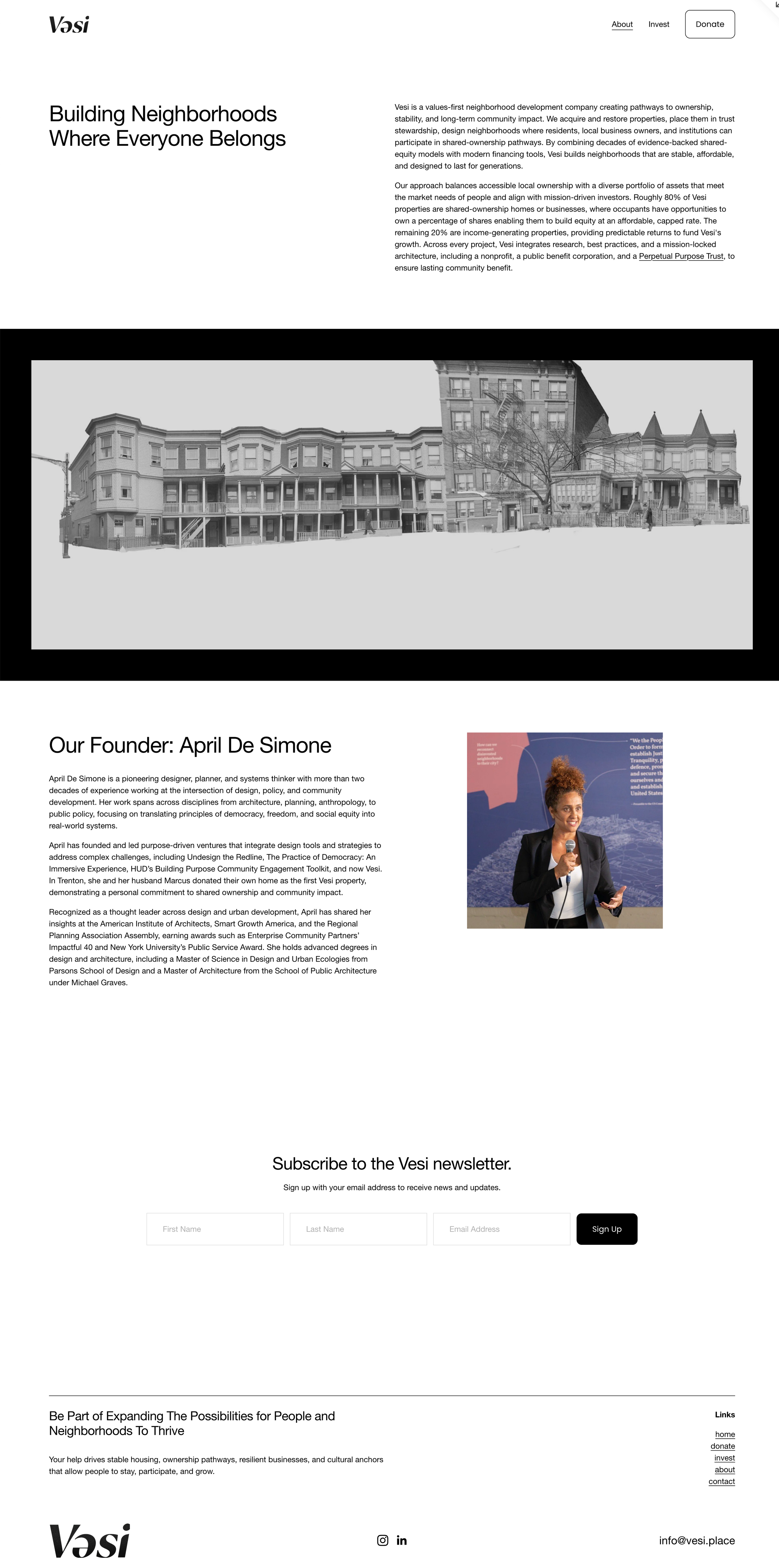
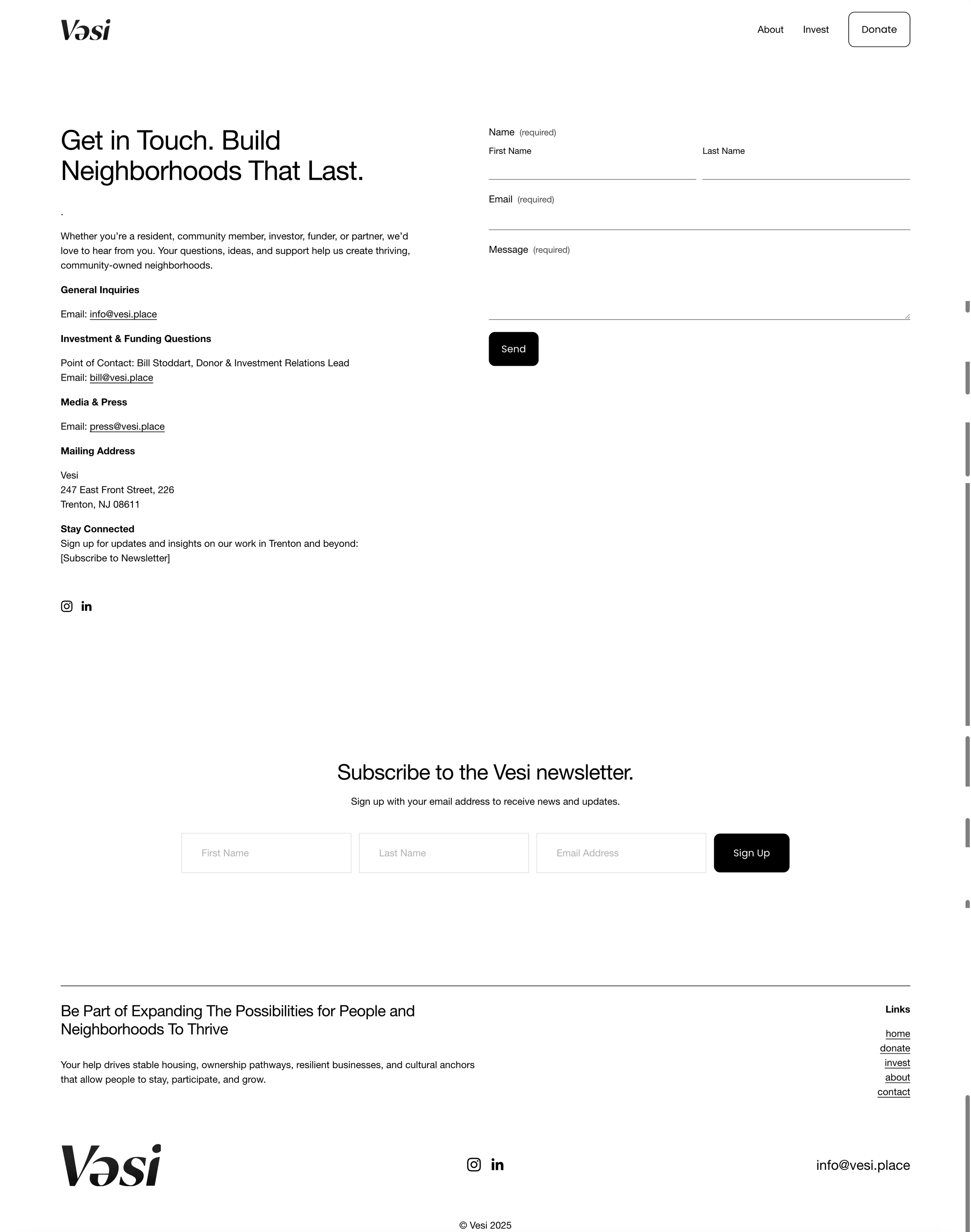
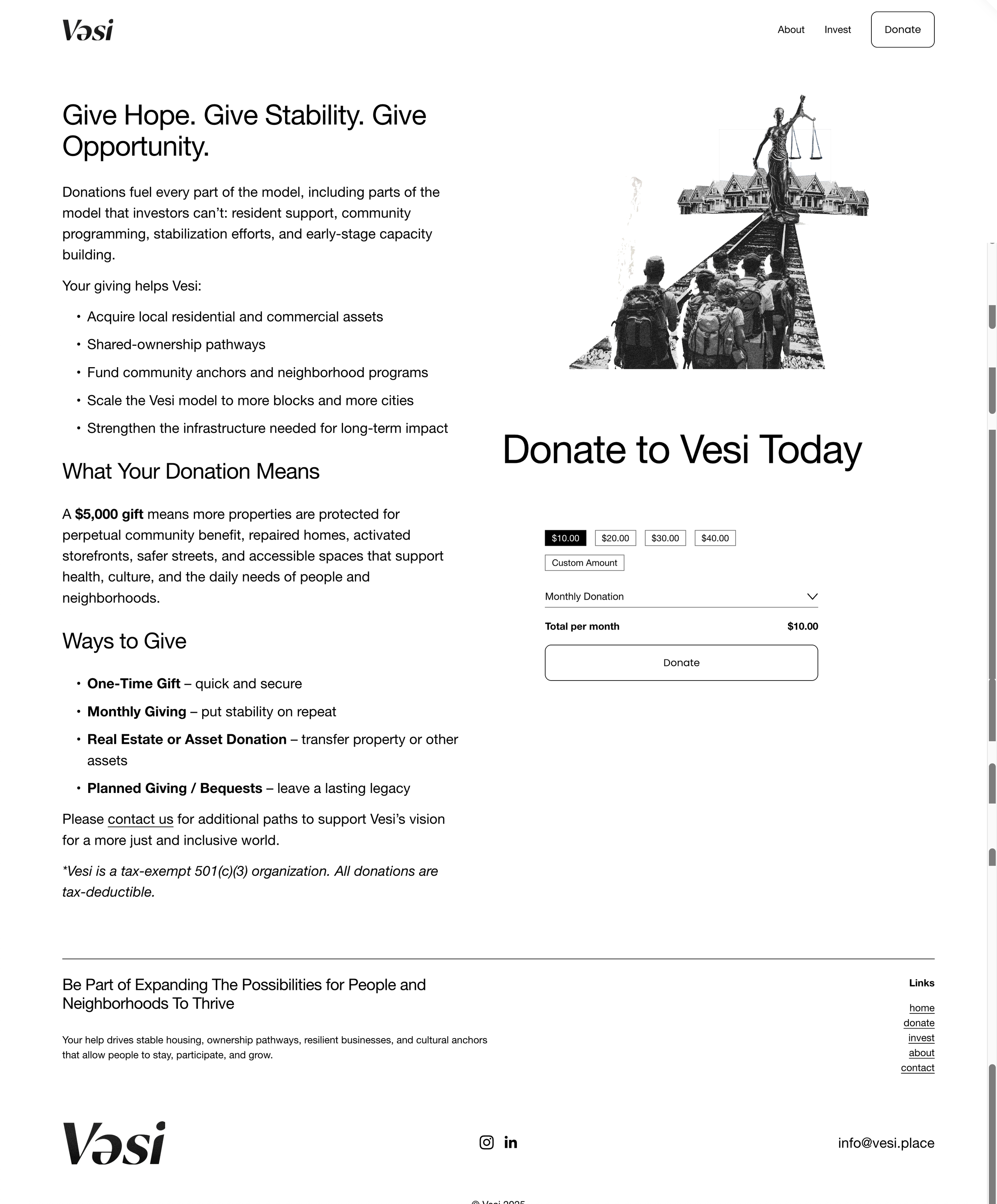
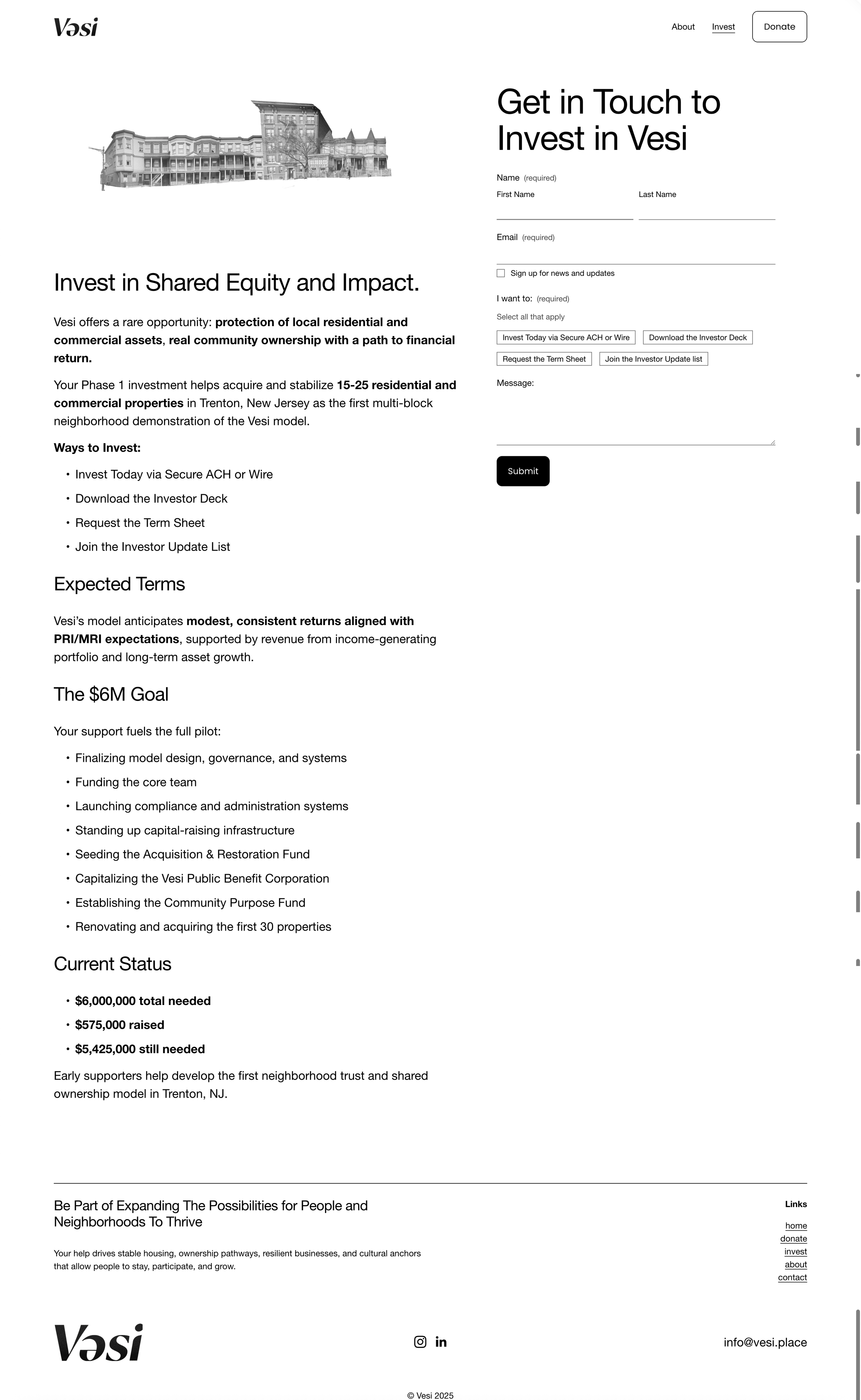
Images: Vesi launched on Squarespace with a targeted 5-page website.
Image: Social media posts with clear, mission-driven donor asks.
Image: The email campaign launched with April sharing Vesi’s origin story.
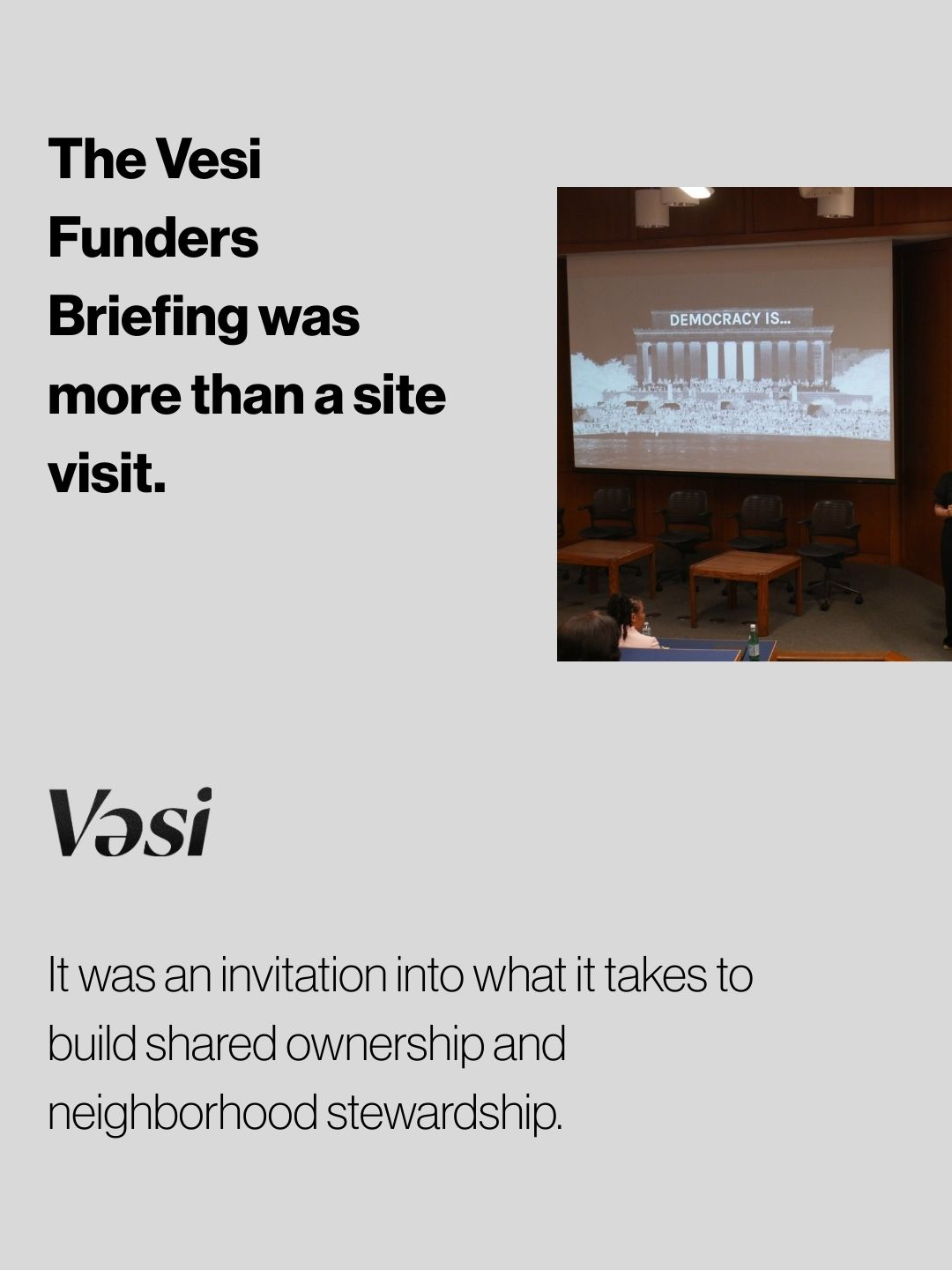
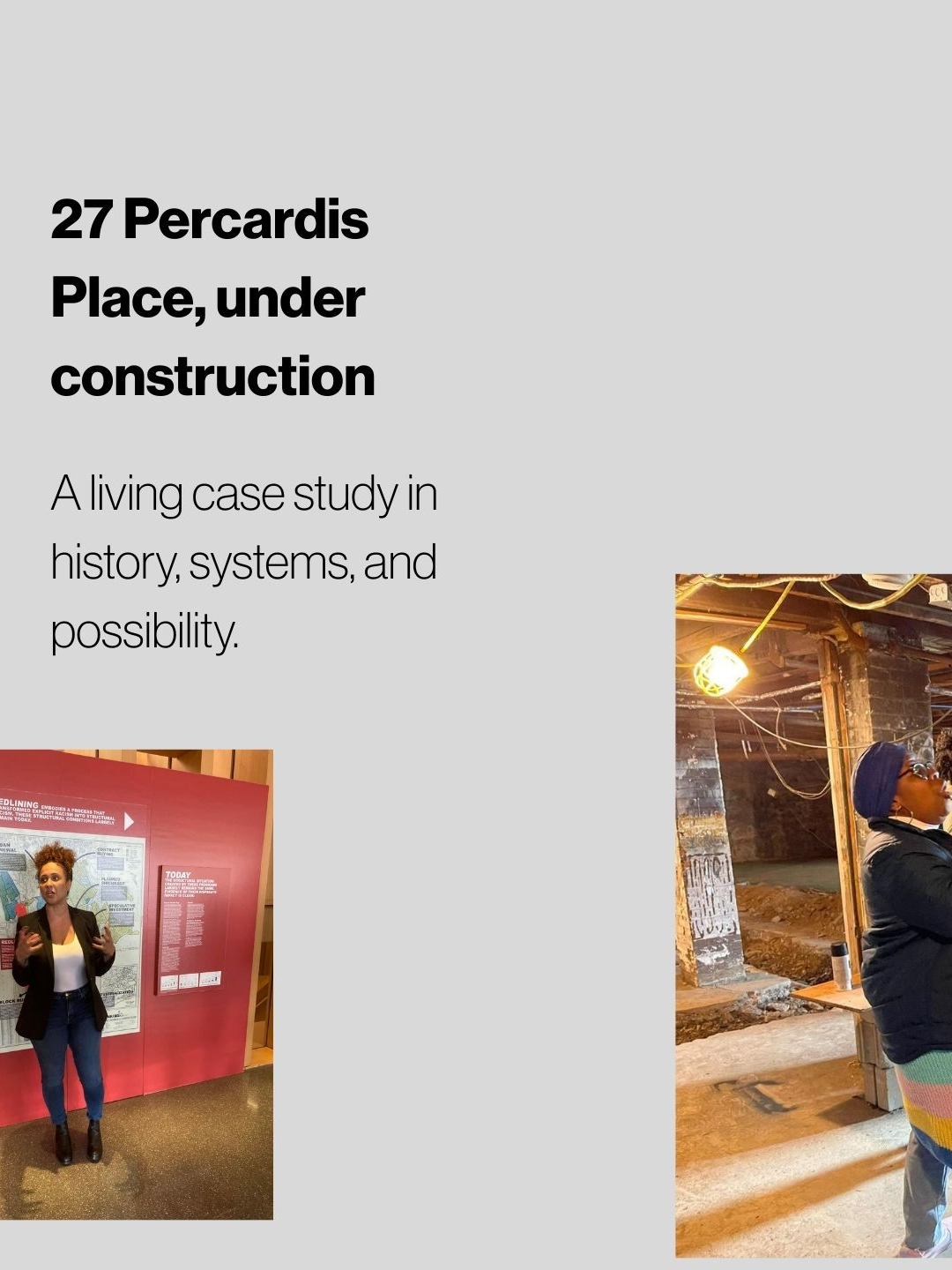
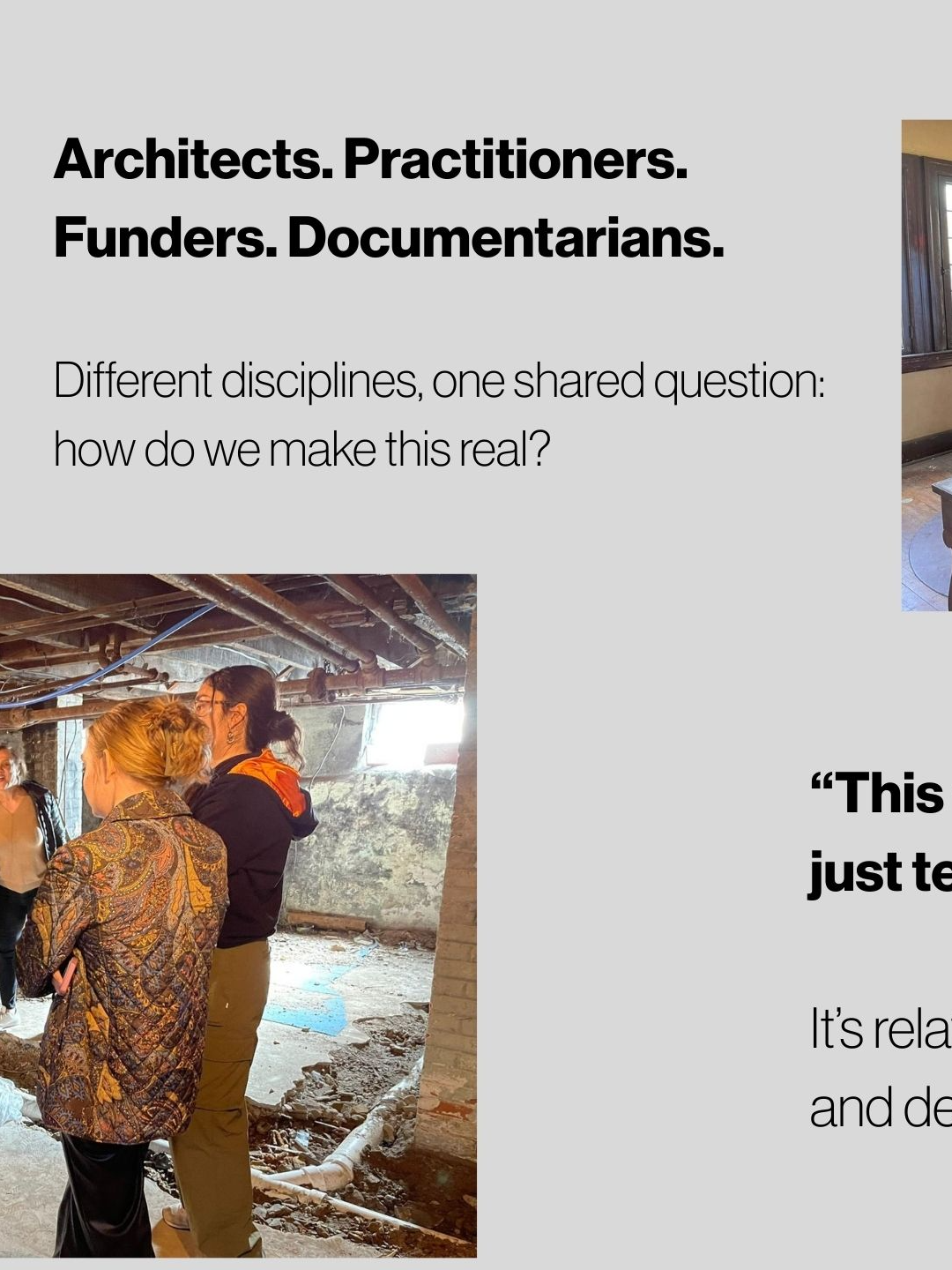
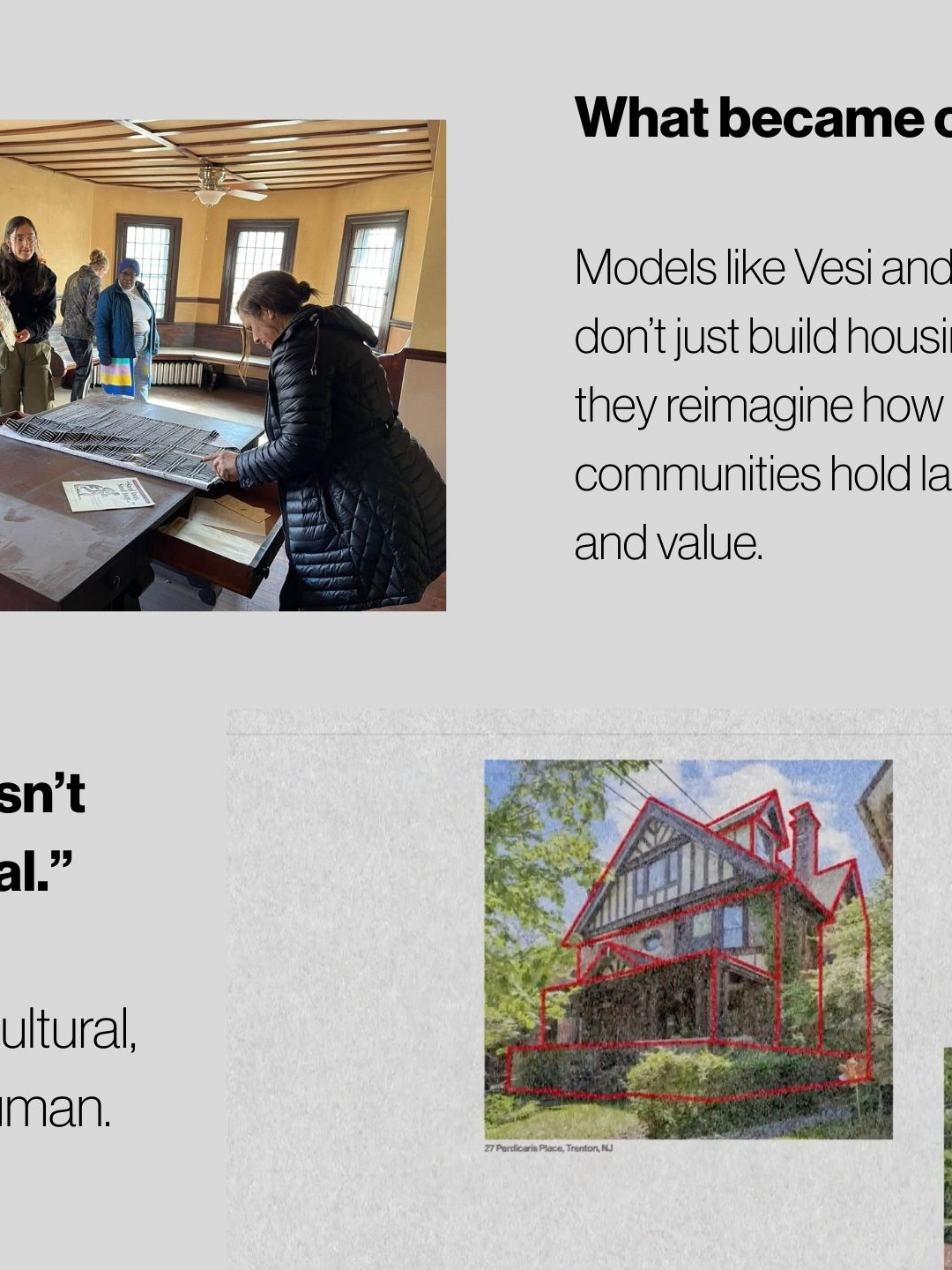
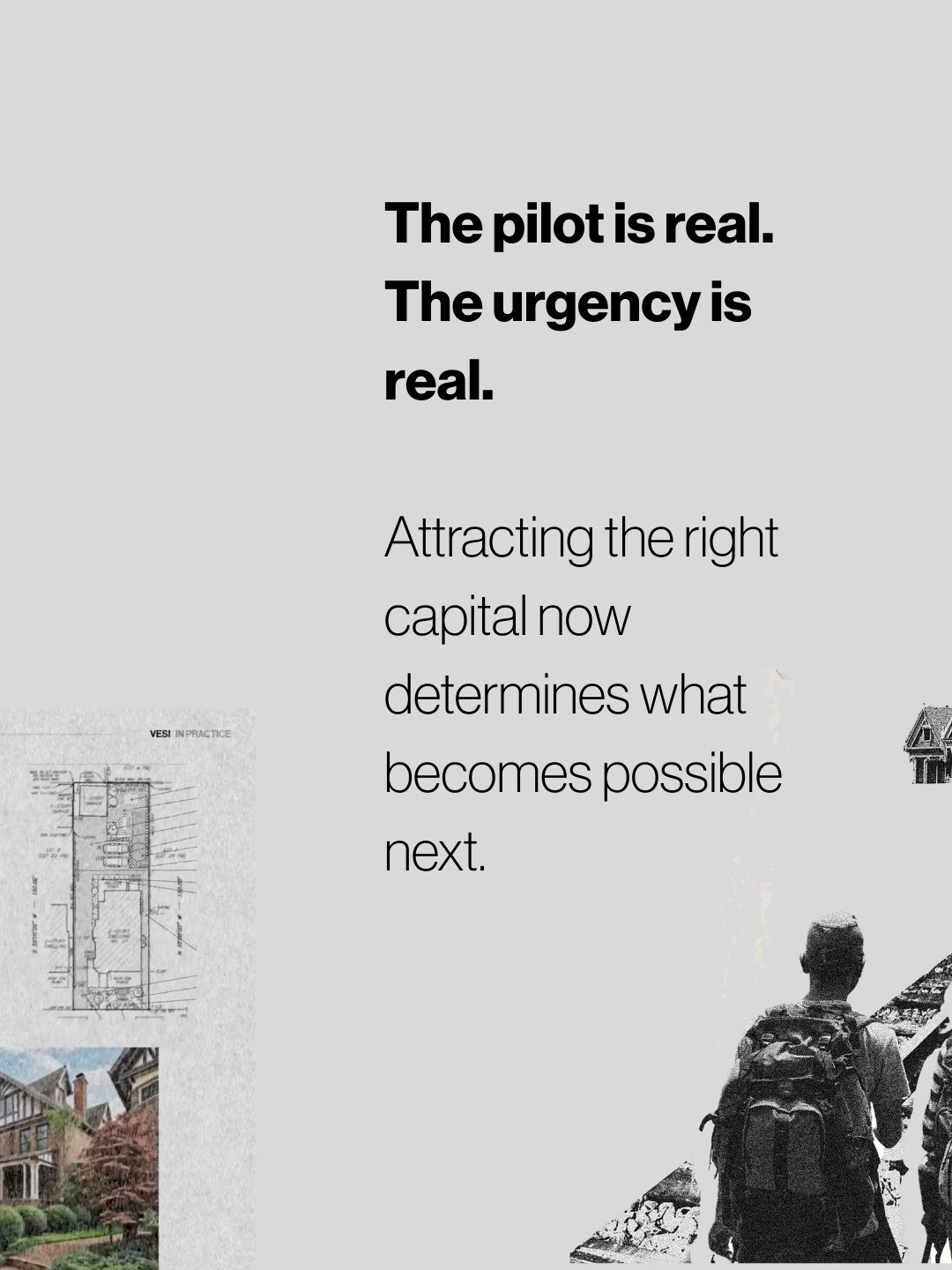
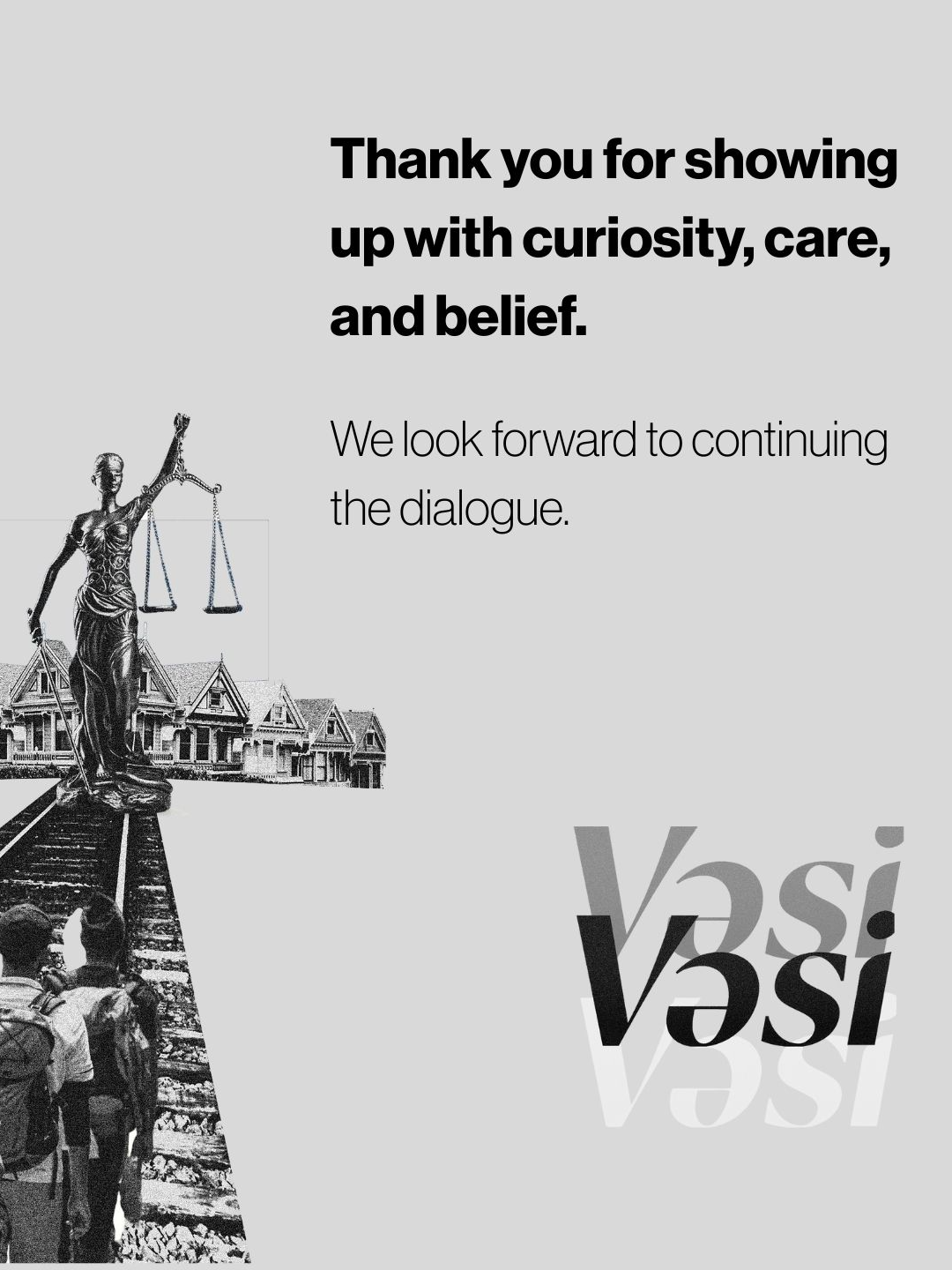
Image: Social media carousel recap of Vesi’s December funder briefing.
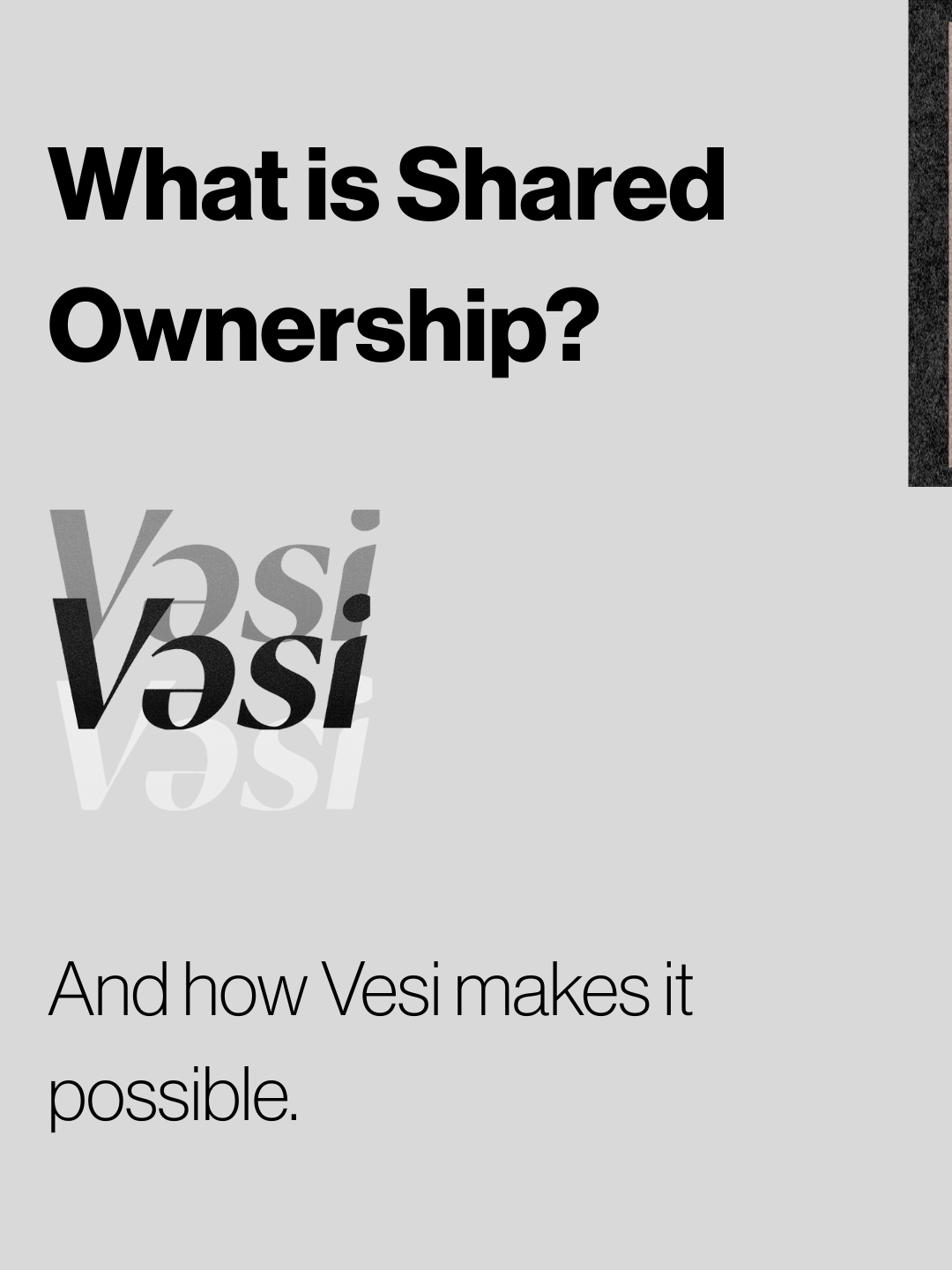
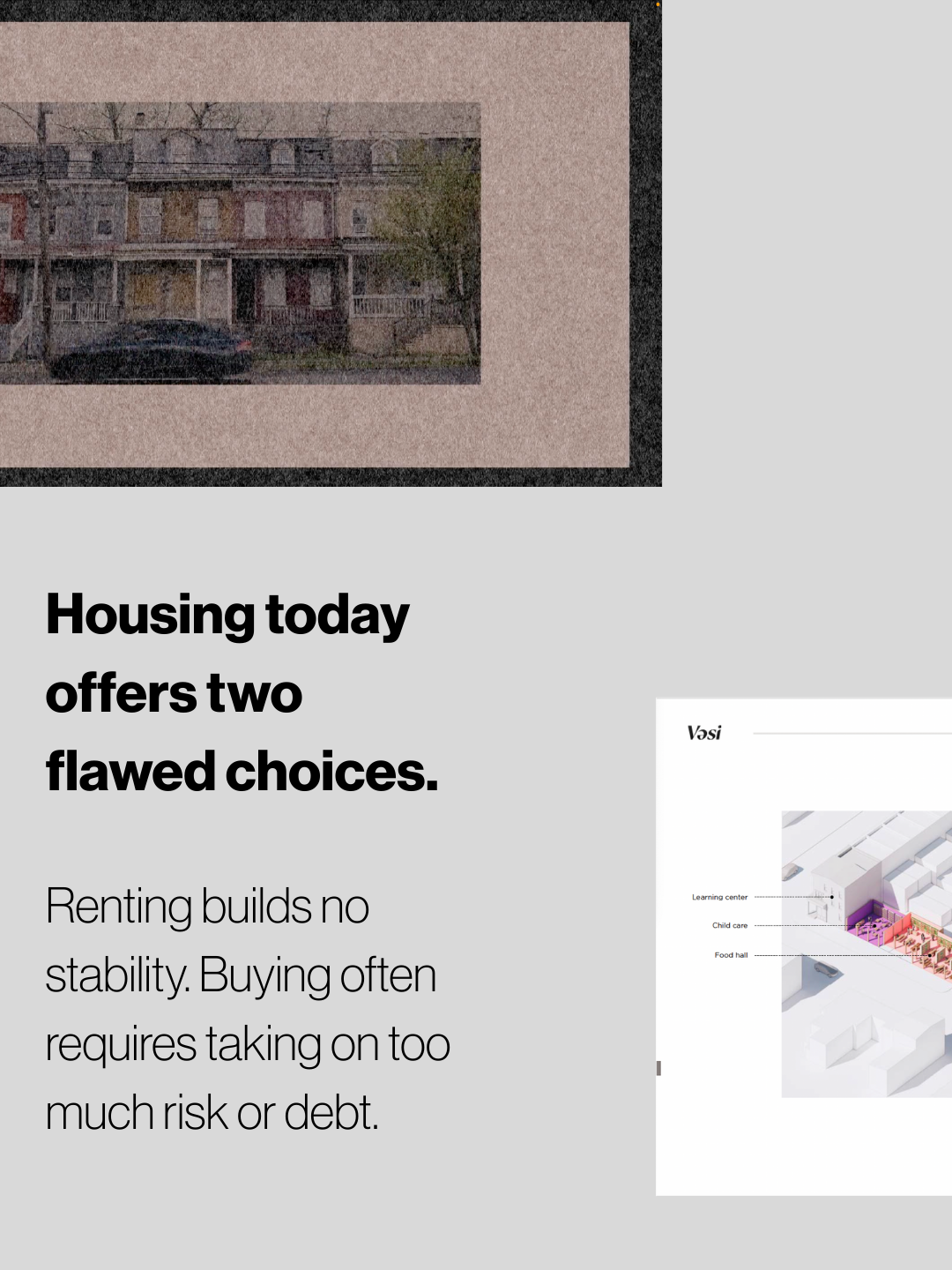
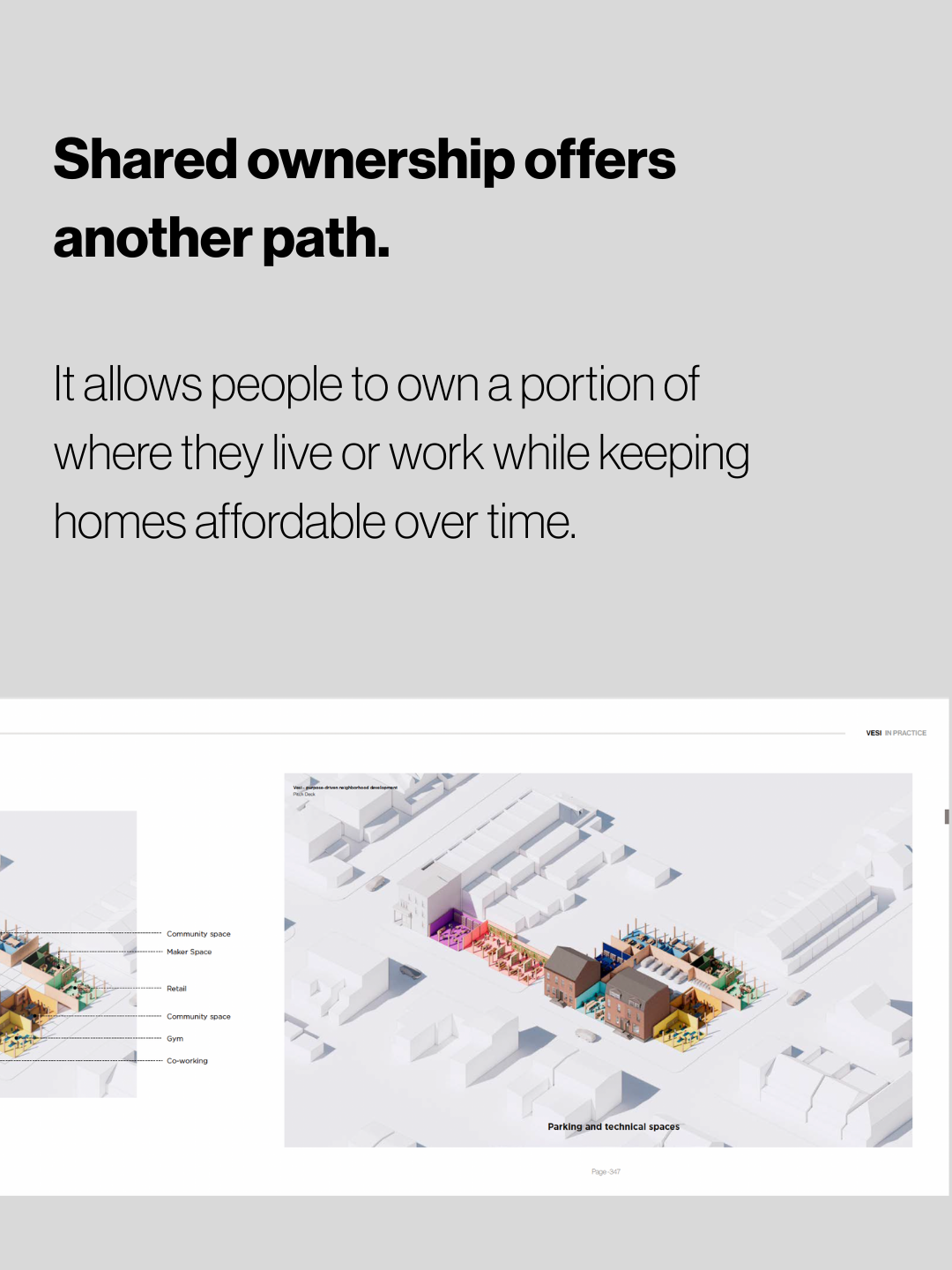
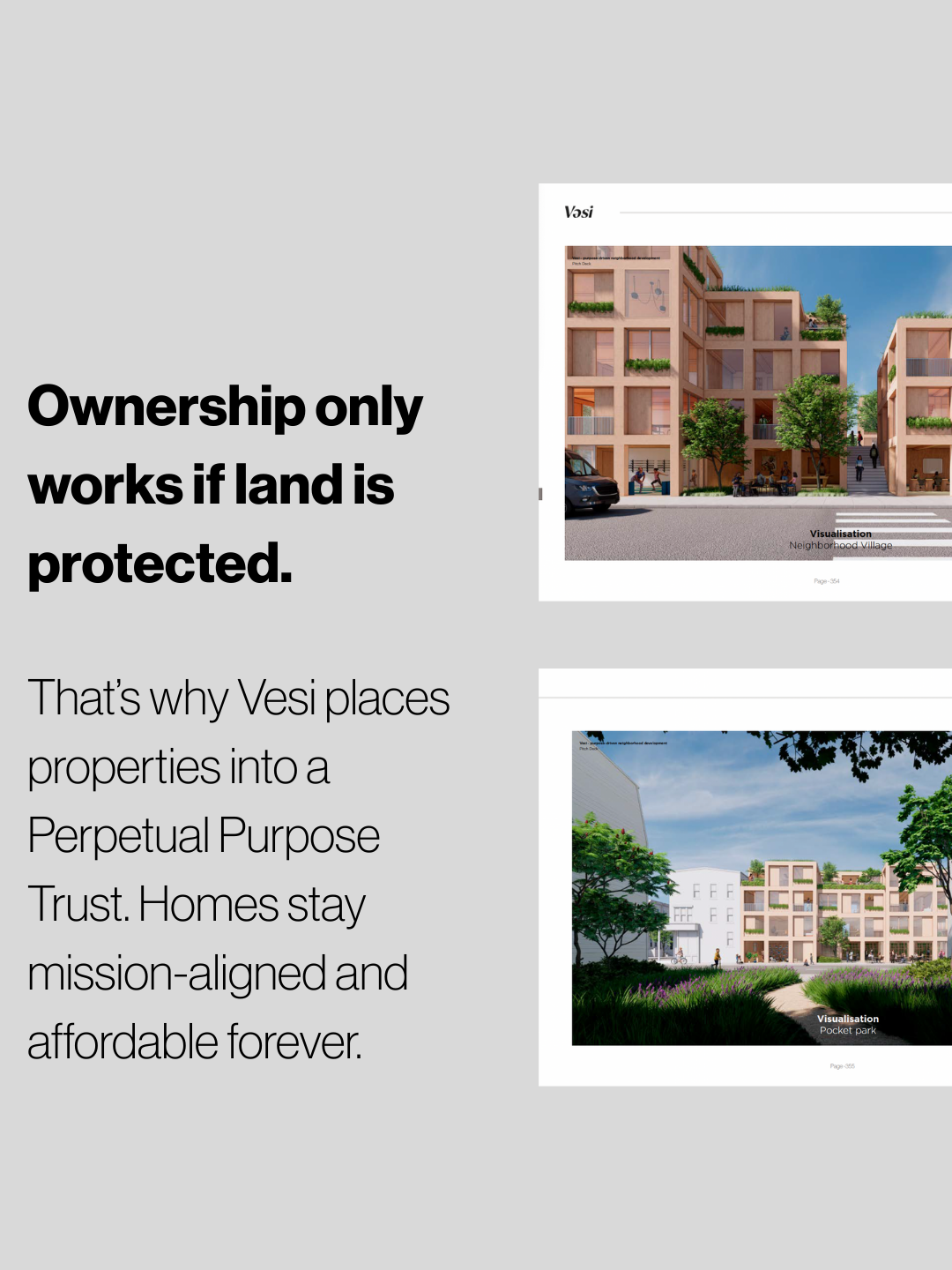
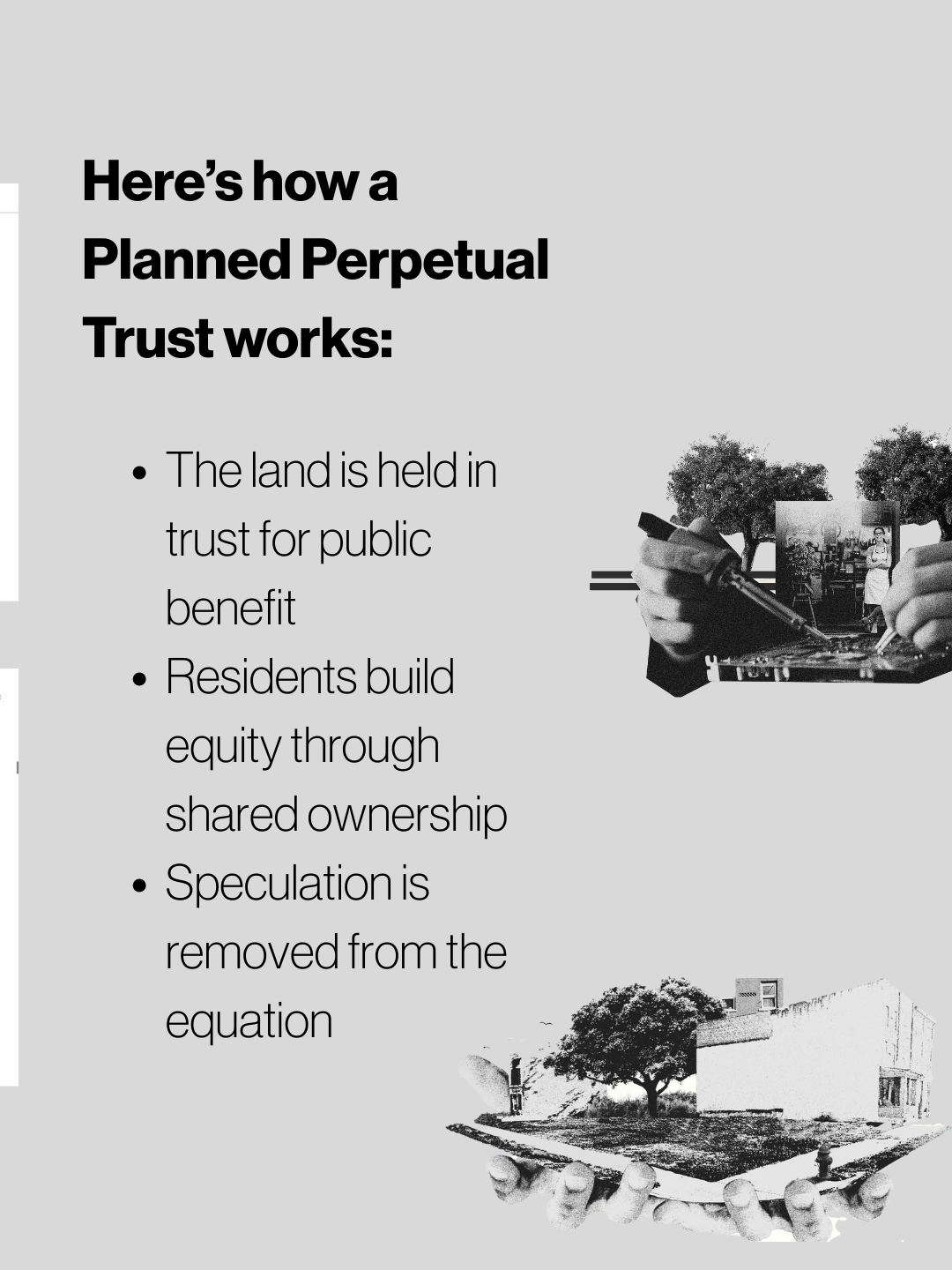
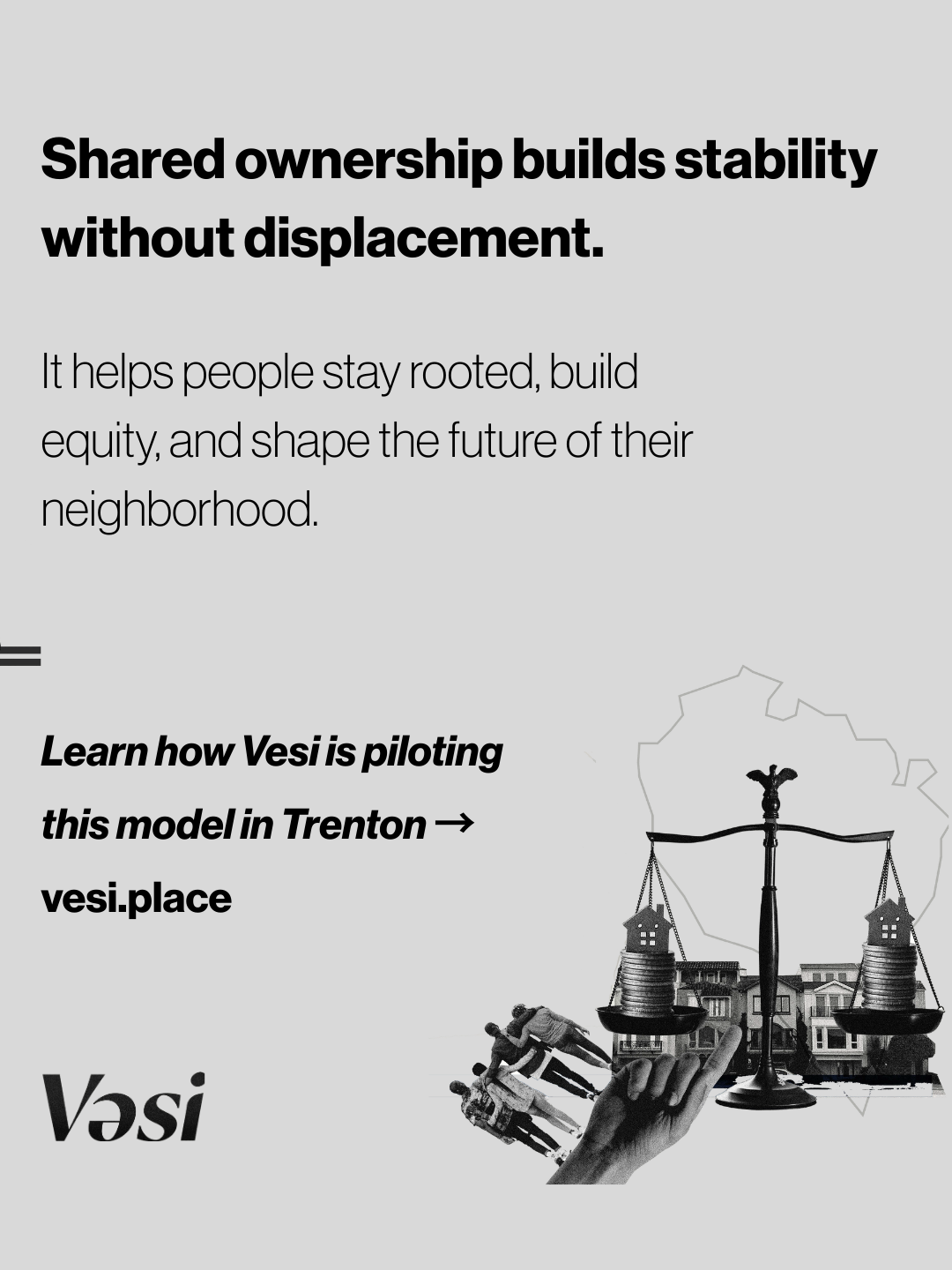
Image: Social media carousel post educating readers about shared ownership models and how they work.
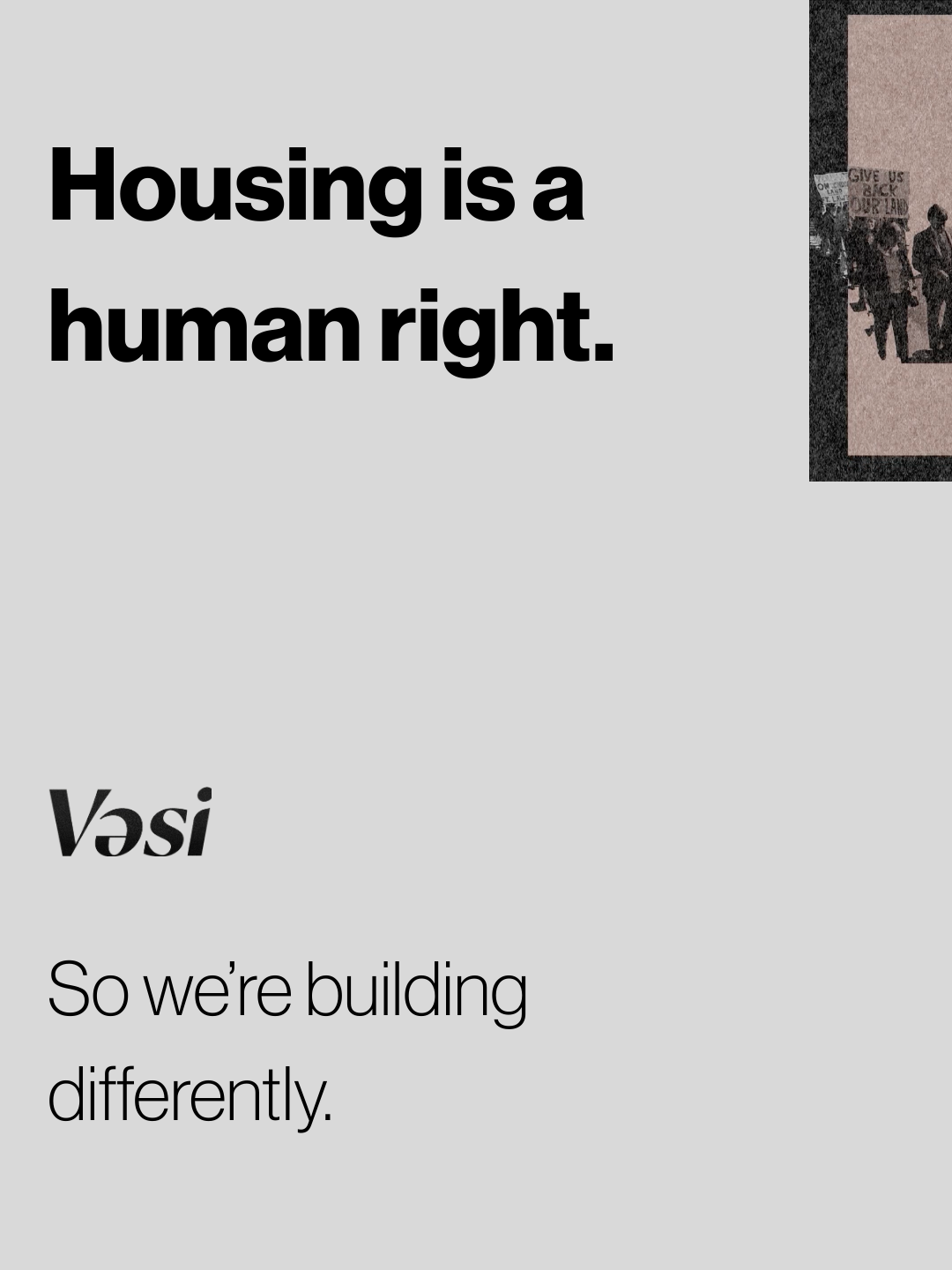
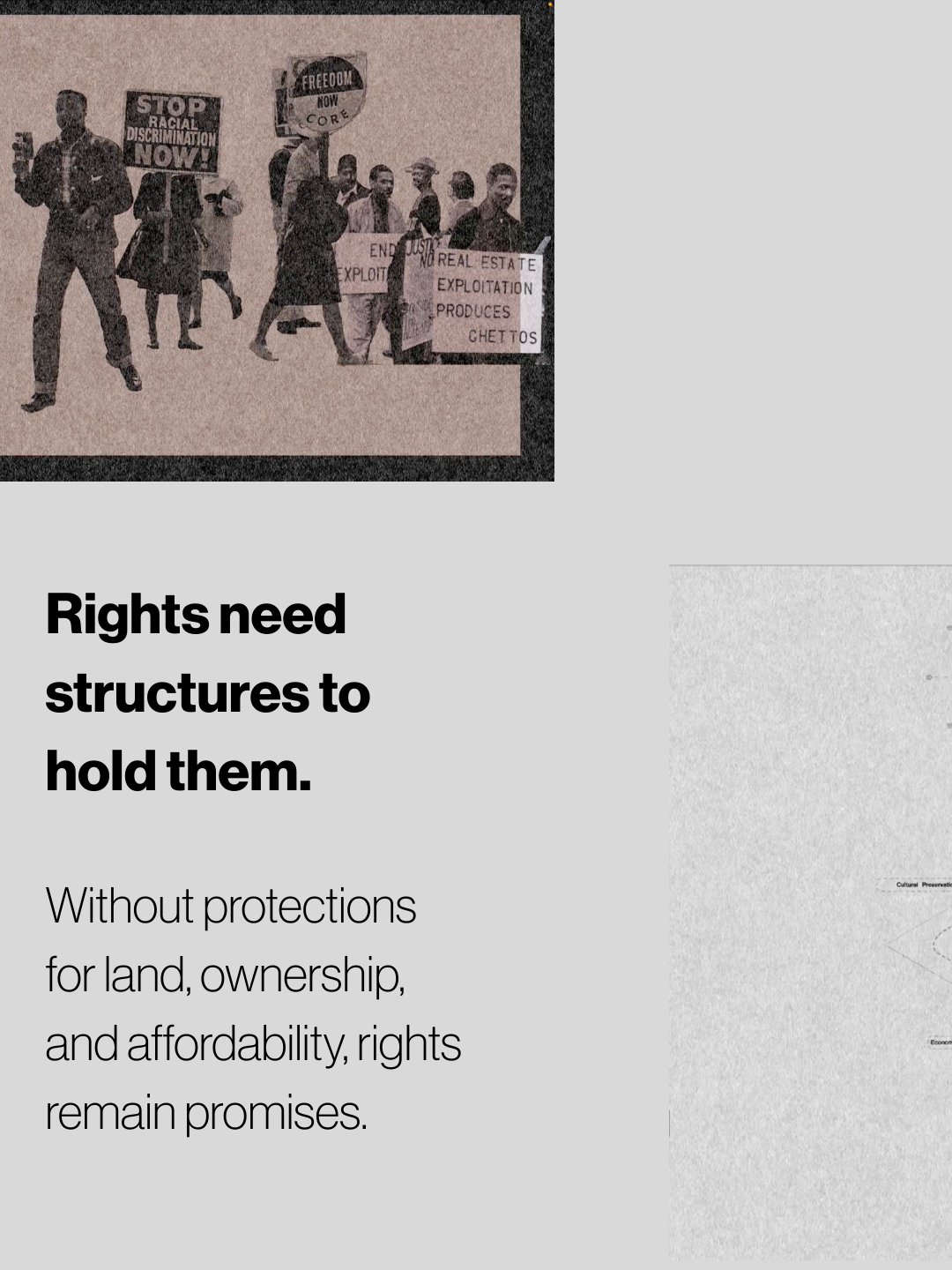
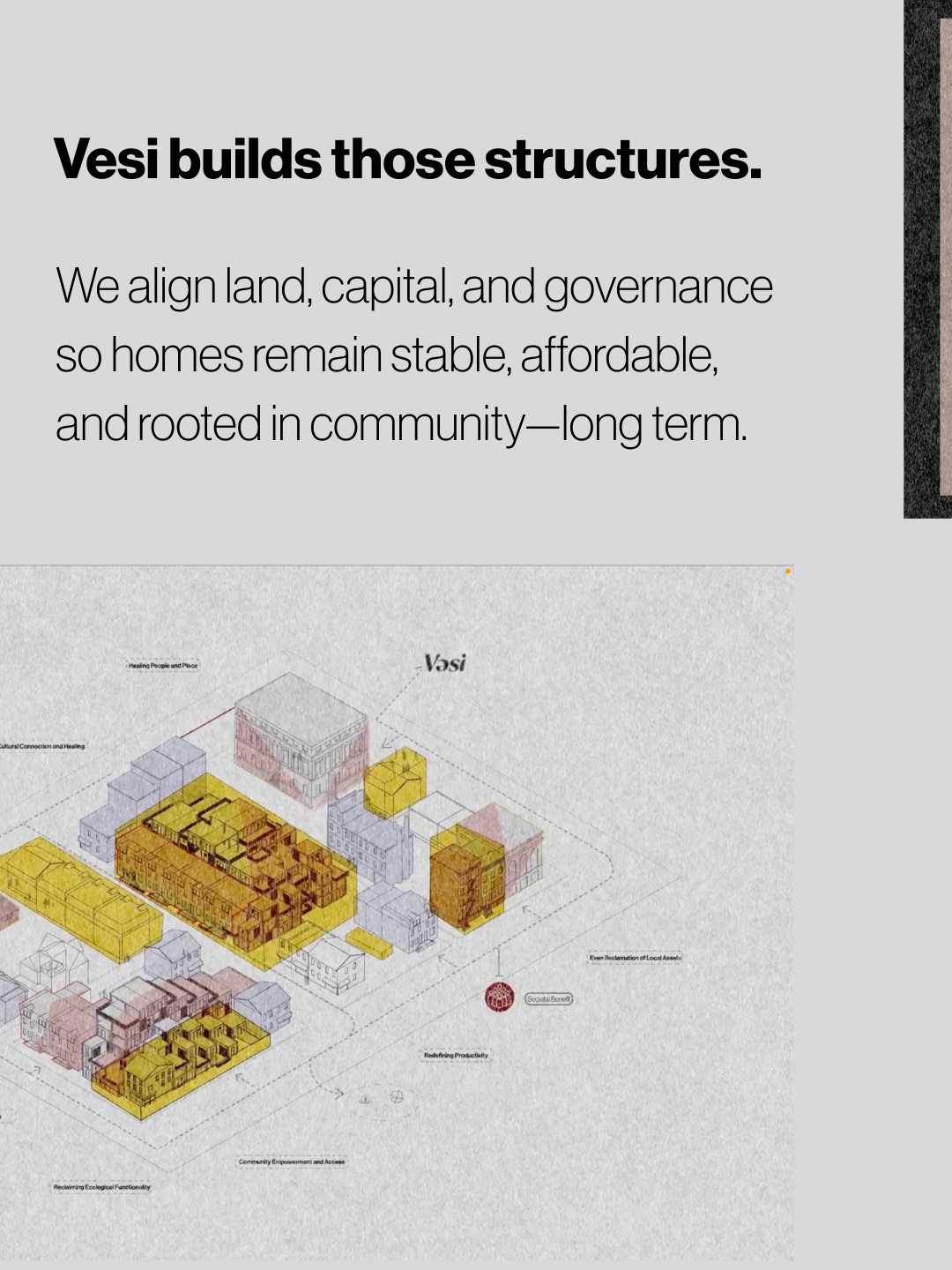
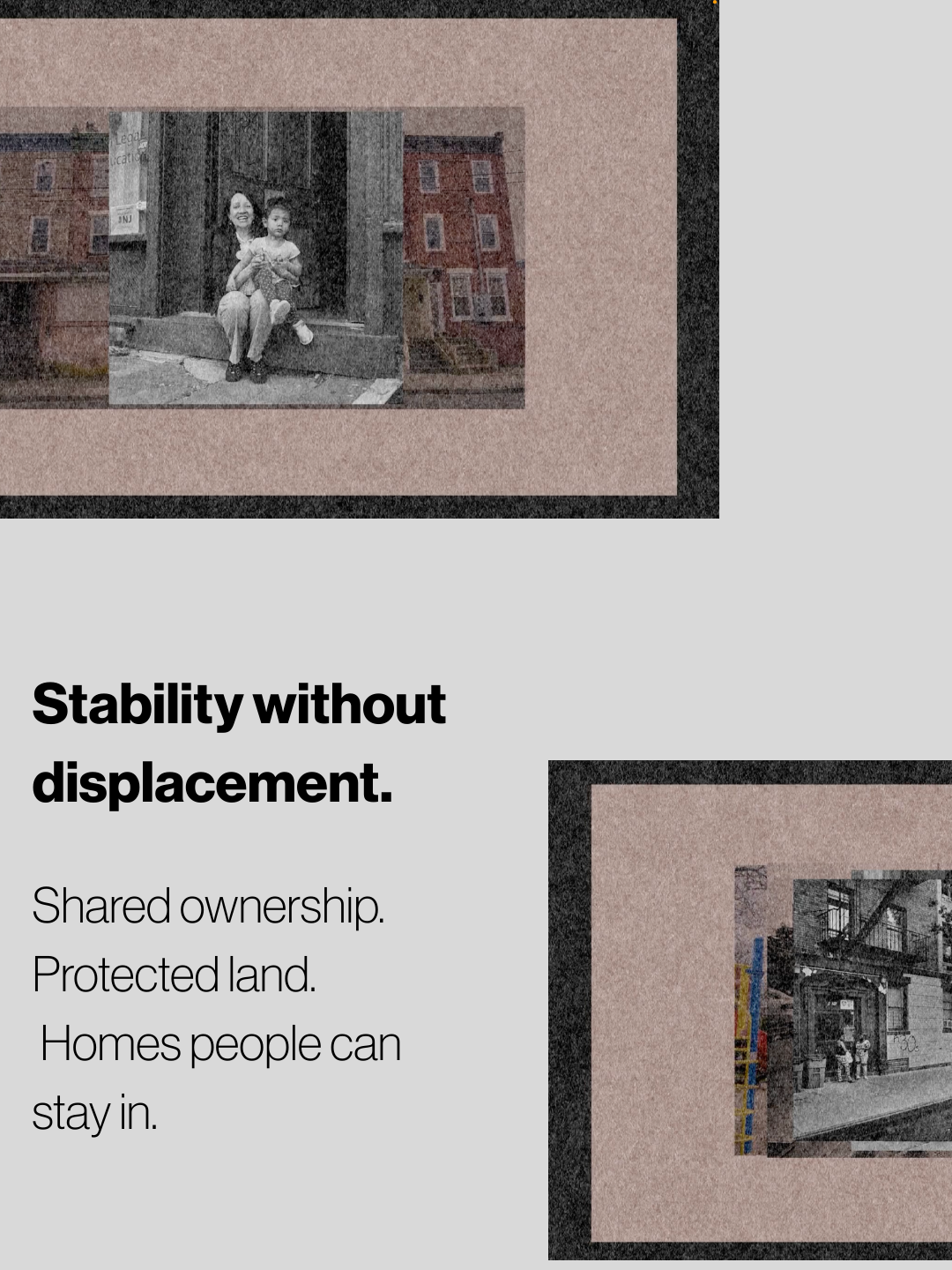
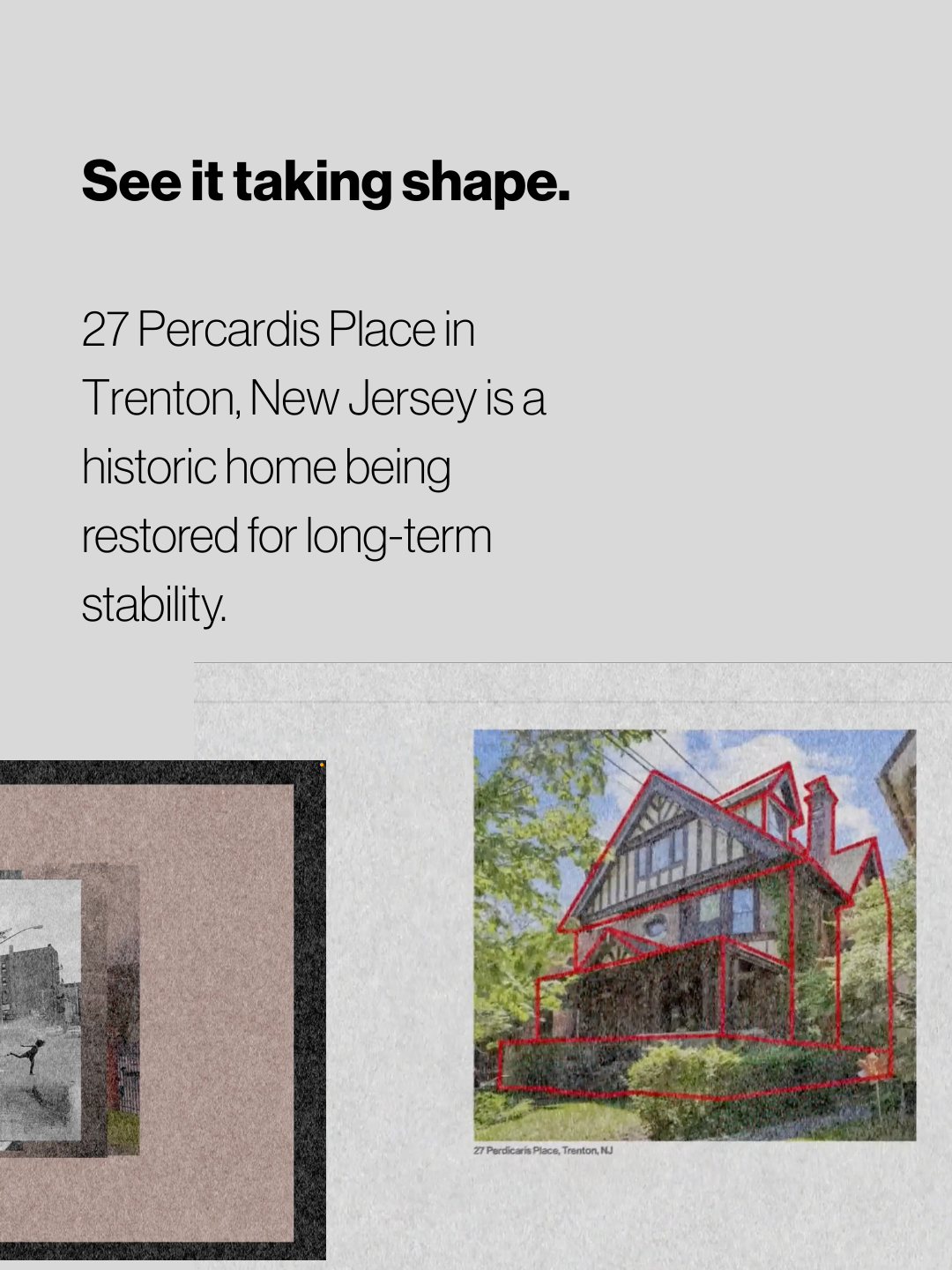
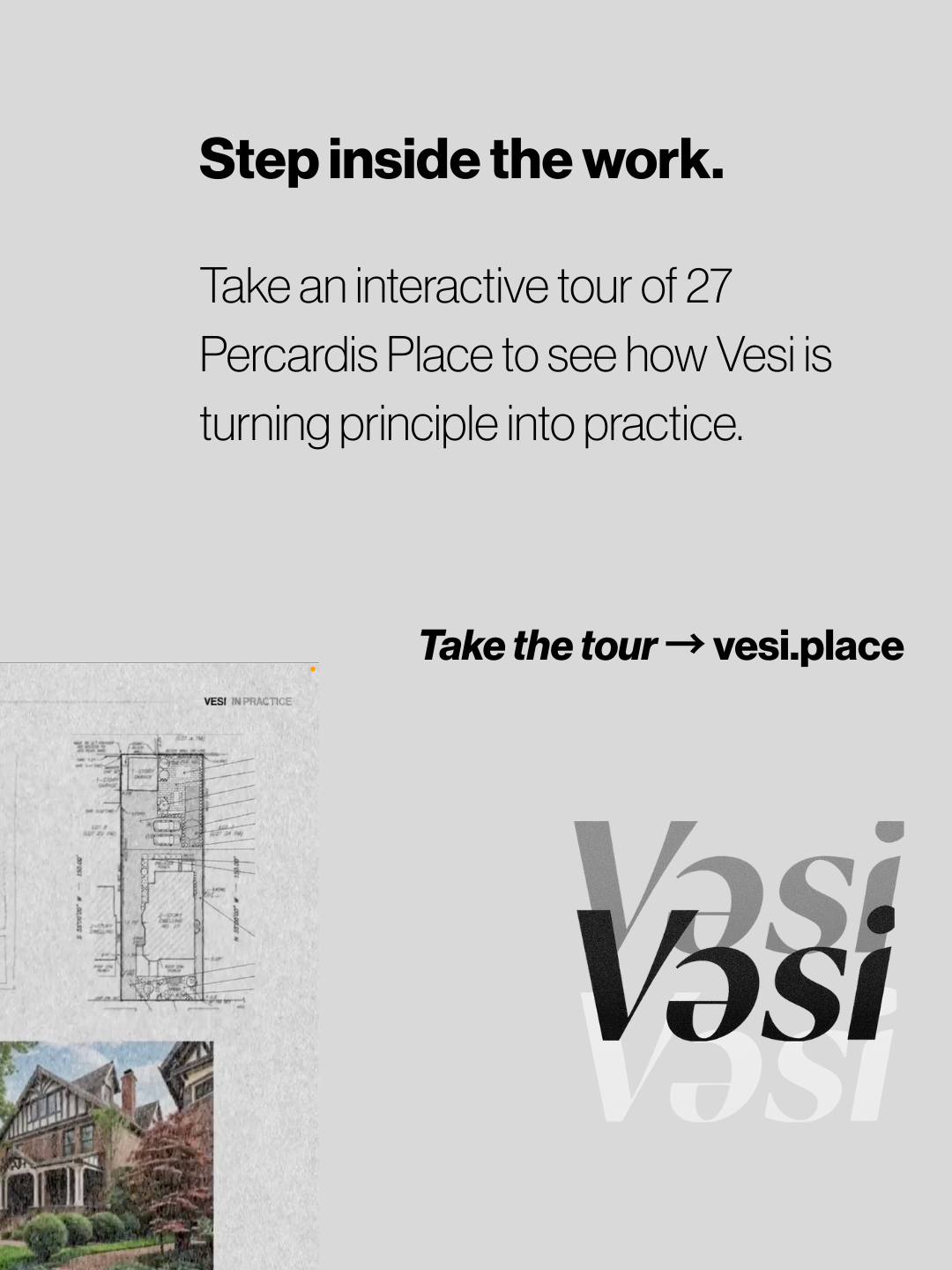
Image: Social media carousel post framing Vesi’s role in advancing housing as a human right in the U.S.
Results: Early Capital Momentum
Website Performance (within one week)
2,200 unique visitors
3,800 total pageviews
1,203 views of Donate page
784 views of Invest page
More than half of all traffic went directly to funding pathways.
Email Performance (within one week)
43% open rate (nonprofit benchmark: 20–25%)
17% click-through rate
600+ clicks to Donate and Invest pages
<2% unsubscribe rate
We saw high engagement, low list fatigue, and strong audience alignment.
Institutional Signals (within one month)
Five follow-up meetings scheduled with prospective funders after the briefing
Investor deck downloads and term sheet requests through the website
Early individual donor conversions through the website
While institutional grants typically move on longer timelines, the campaign generated qualified follow-up conversations, which is the clearest indicator of philanthropic and impact investment alignment.
Takeaways for Other Founders
If you’re building a structurally bold model that serves communities, shifts systems, and resists easy categorization, misaligned fundraising language is usually a sign that you need:
Capital-ready messaging
Fundraising architecture
Launch infrastructure
Measurable traction
TLC builds the narrative and operational infrastructure that makes capital strategies robust and repeatable. This means:
Clarifying the structural logic of your model
Aligning capital sequencing with institutional positioning
Translating complexity without flattening it
Designing a narrative that travels from boardroom to philanthropy to impact investors
For culture + capital hybrids and impact-driven PBCs, this is crucial. These models are often ahead of existing categories, blending governance, revenue, public good, and ownership. Even slight narrative misalignment can make sophistication appear muddled.
TLC ensures that doesn’t happen through clear positioning, actionable content, and operational alignment that enables capital conversations to become coherent, strategic, and repeatable.
Vesi entered its launch phase with structural groundwork secured. It emerged with public momentum, institutional follow-through, and a clear capital pathway.
